In the intricate world of industrial automation and process control, the seamless operation and safety of systems hinge on a suite of highly specialized components. From managing fluid dynamics to preventing catastrophic failures, devices such as pressure switches, water level sensors, flow sensors, and safety relief valves are not just accessories but critical enablers of efficiency, reliability, and paramount safety. Understanding their functions, applications, and the importance of quality in their selection and maintenance is crucial for any B2B operation aiming for optimal performance.
Precision Monitoring with Pressure Switches: Air and Water
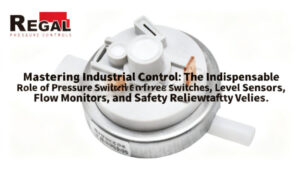
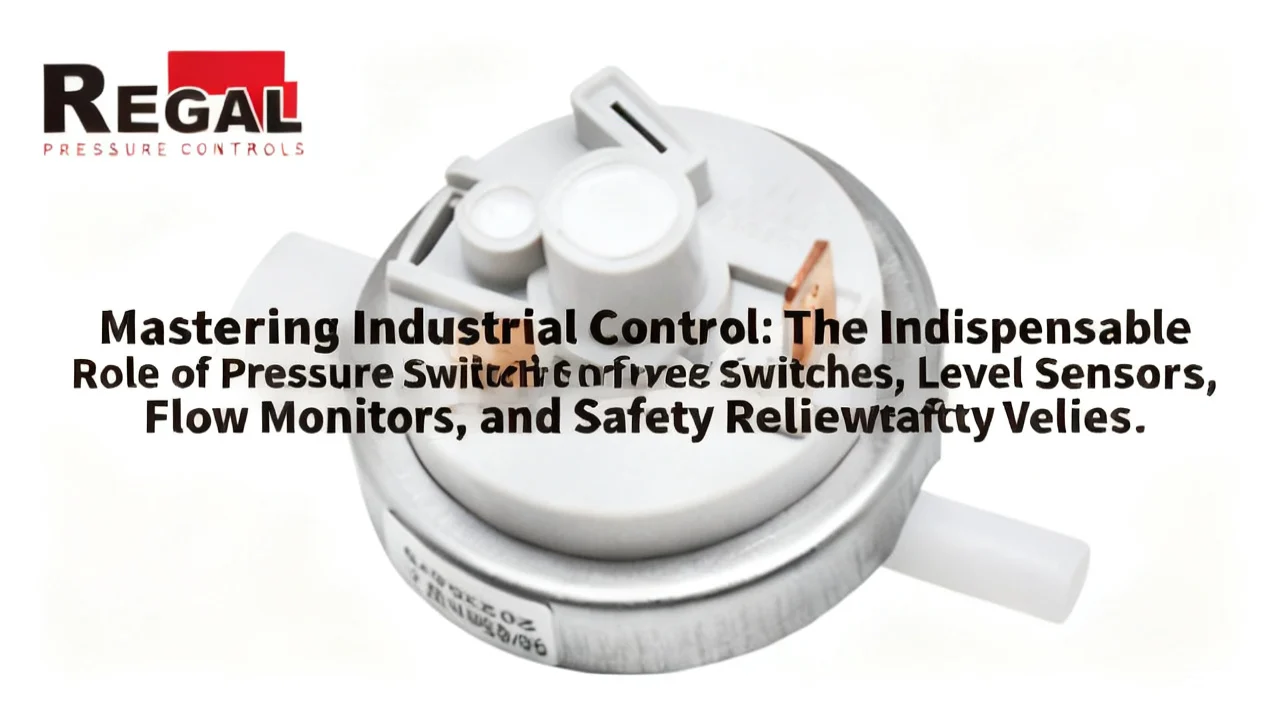
Pressure switches are electromechanical devices designed to monitor and control pressure within a system. They operate by opening or closing an electrical contact when a pre-set pressure threshold is reached, providing a vital control signal for automated processes. Their applications are ubiquitous across various industries:
- Interruptores de pressão de ar: Essential in HVAC systems, compressed air networks, pneumatic machinery, and vacuum pumps. They ensure that air compressors maintain optimal pressure levels, signal filter blockages, or activate alarms if pressure deviates from safe operating parameters. In industrial settings, they can initiate or halt processes based on air pressure availability, safeguarding equipment and ensuring consistent output.
- Interruptores de pressão de água: Crucial for pump control in water supply systems, irrigation, fire suppression, and industrial cooling circuits. They automatically turn pumps on or off to maintain desired water pressure, prevent dry running, or protect against overpressure conditions. In manufacturing, they might regulate water flow to machinery, ensuring precise cooling or cleaning cycles.
The reliability and accuracy of pressure switches are paramount, as they directly impact process stability and equipment longevity. Choosing units with robust construction and appropriate pressure ranges is key to sustained performance.
Water Level Control: Switches vs. Sensors
Managing liquid levels is a fundamental requirement in numerous industrial processes, from storage tanks to wastewater treatment plants. Water level switches and sensors provide the necessary intelligence to monitor and control these levels.
- Interruptores de nível de água: These devices provide a binary (on/off) signal when a specific liquid level is reached. Common types include float switches, which physically rise or fall with the liquid, and conductive probes that detect the presence or absence of liquid between electrodes. They are ideal for applications like automatic pump control (e.g., emptying sumps or filling tanks), high/low level alarms, and preventing overflows or dry-run conditions. Their simplicity and reliability make them a cost-effective solution for discrete level detection.
- Sensores de nível de água: In contrast to switches, level sensors provide continuous measurement of liquid levels, offering more granular data for advanced process control. Technologies vary widely, including ultrasonic sensors (using sound waves), capacitive sensors (measuring changes in capacitance), and hydrostatic pressure sensors (measuring the pressure exerted by the liquid column). These sensors are critical for inventory management in large storage tanks, precise dosing in chemical processes, and real-time monitoring in environmental applications. The data they provide can be integrated into SCADA or DCS systems for sophisticated control and data logging.
The choice between a switch and a sensor depends on the application’s complexity and the level of detail required for control.
Optimizing Flow with Flow Sensors
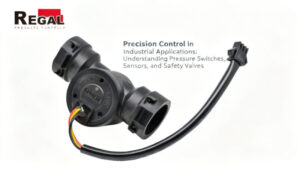
Flow sensors, or flow meters, are instrumental in measuring the rate at which fluids (liquids or gases) move through a pipe or channel. Accurate flow measurement is vital for process efficiency, quality control, and resource management.
Applications span a broad spectrum:
- Sistemas de climatização (HVAC): Monitoring chiller and boiler water flow for optimal energy efficiency.
- Chemical Processing: Ensuring precise ingredient mixing and reaction control.
- Water and Wastewater Treatment: Measuring influent and effluent volumes, as well as chemical dosing rates.
- Manufacturing: Controlling coolant flow, lubrication systems, and pneumatic transport.
- Energy Management: Monitoring fuel consumption or steam flow in power generation.
Different types of flow sensors cater to various fluid properties and application requirements, including paddle wheel, electromagnetic, Coriolis, ultrasonic, and thermal mass flow meters. Selecting the appropriate technology ensures accurate and reliable data, leading to improved process control, reduced waste, and enhanced operational insights.
The Uncompromising Role of Safety Relief Valves
Perhaps the most critical components in pressure systems are safety relief valves (SRVs). Their sole purpose is to protect equipment and personnel by automatically releasing excess pressure when a system exceeds its design limits. This prevents catastrophic failures, explosions, and costly damage to infrastructure.
Safety relief valves are indispensable in:
- Boilers and Pressure Vessels: Protecting against over-pressurization due to heating or chemical reactions.
- Pipelines and Storage Tanks: Preventing damage from thermal expansion or sudden pressure surges.
- Chemical and Petrochemical Plants: Safeguarding reactors, heat exchangers, and distillation columns.
- Hydraulic and Pneumatic Systems: Protecting pumps, cylinders, and other components from excessive force.
SRVs are designed to open rapidly when the set pressure is reached and re-close once the pressure returns to a safe level. Their design and selection are governed by strict international standards (e.g., ASME, API) to ensure guaranteed performance under emergency conditions. Regular inspection, testing, and maintenance of SRVs are not merely good practice but a legal and ethical imperative to maintain a safe operating environment.
The Synergy of Systems and the Importance of Quality Parts
While each of these components – pressure switches, water level sensors, flow sensors, and safety relief valves – performs a distinct function, their true power lies in their synergistic integration within larger industrial control systems. A well-designed system leverages the data and control signals from these devices to create intelligent, responsive, and safe operations.
The longevity and accuracy of these critical components are directly tied to the quality of their manufacture and the genuine nature of their replacement parts. Investing in high-quality, reliable parts from reputable suppliers ensures:
- Consistent Performance: Maintaining specified accuracy and repeatability over time.
- Reduced Downtime: Minimizing failures and associated production losses.
- Enhanced Safety: Ensuring that safety systems operate as intended when emergencies arise.
- Compliance: Meeting industry standards and regulatory requirements.
- Lower Total Cost of Ownership: Avoiding frequent replacements and costly repairs.
In conclusion, these essential components form the bedrock of modern industrial control, enabling businesses to achieve unparalleled levels of efficiency, precision, and safety. Their careful selection, integration, and meticulous maintenance are not just operational considerations but strategic imperatives for sustained success in any B2B industrial environment.