In the intricate world of industrial automation and process control, the reliability and precision of every component are paramount. From ensuring the safe operation of high-pressure systems to maintaining optimal fluid levels and continuous flow, a suite of specialized devices works tirelessly behind the scenes. This article delves into the indispensable roles of pressure switches, water level switches and sensors, flow sensors, and safety relief valves – the unsung heroes that safeguard equipment, optimize processes, and protect personnel.
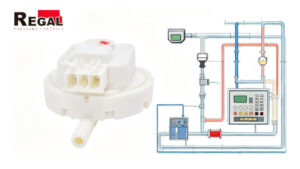
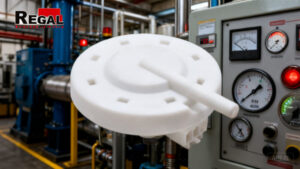
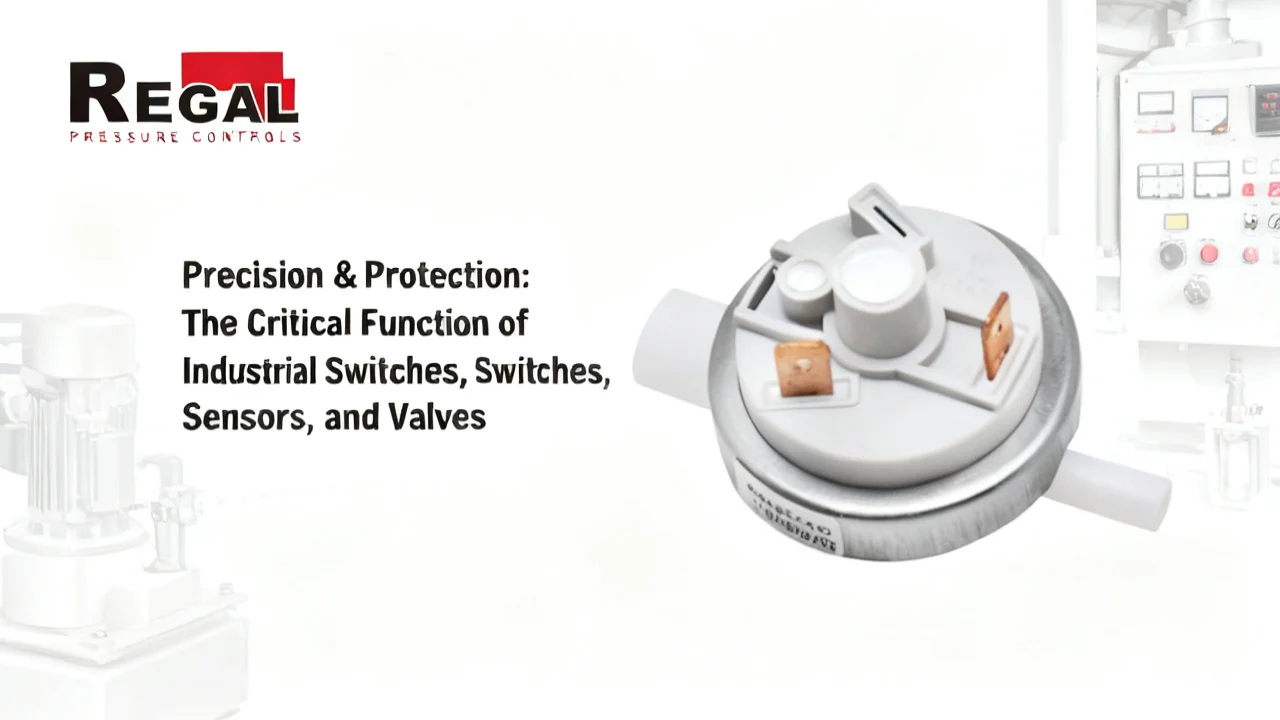
Pressure switches are fundamental control devices designed to monitor and respond to changes in system pressure. Acting as an electrical switch, they open or close a circuit when a predetermined pressure threshold is met, triggering actions such as starting or stopping pumps, activating alarms, or shutting down systems to prevent damage.
- Luftdruckschalter: Widely utilized in HVAC systems, pneumatic machinery, air compressors, and vacuum systems, these switches ensure that air pressure remains within safe and operational limits. For instance, in a furnace, an air pressure switch verifies proper airflow before the burner ignites, preventing hazardous conditions.
- Wasserdruckschalter: Essential for water pumps, irrigation systems, boilers, and industrial plumbing, water pressure switches maintain desired pressure levels. They can automatically turn a pump on when pressure drops below a set point (indicating demand) and turn it off when pressure is restored, optimizing energy consumption and preventing pump dry-running or over-pressurization.
Their ability to provide reliable feedback on critical pressure parameters makes them vital for both process efficiency and equipment longevity.
Water Level Management: Sensors and Switches for Optimal Control
Managing fluid levels accurately is crucial in countless industrial applications, from chemical processing and wastewater treatment to food and beverage production. Water level switches and sensors provide the necessary intelligence to control pumps, activate alarms, and monitor inventory.
- Wasserstandsschalter: These devices provide discrete (on/off) control based on a specific liquid level. Typically, they use technologies like floats, conductive probes, or vibrating forks. For example, a float switch in a sump pump will activate the pump when the water reaches a high level and deactivate it when the water drops to a low level. They are simple, robust, and ideal for basic pump control or high/low level alarms.
- Wasserstandssensoren: Offering continuous measurement, water level sensors provide real-time data on the exact liquid height. Common types include ultrasonic sensors (non-contact, ideal for corrosive liquids), hydrostatic pressure sensors (measure pressure exerted by the liquid column), and guided wave radar sensors. These sensors are invaluable for inventory management, precise dosing, and complex process control where continuous level monitoring is required.
Accurate level detection prevents overflow, dry-running of pumps, and ensures consistent process quality.
Flow Sensors: Ensuring the Right Movement
The consistent and correct movement of fluids is a cornerstone of many industrial operations. Flow sensors are designed to monitor the presence, rate, and direction of fluid flow within pipes and conduits. They are critical for ensuring process efficiency, preventing equipment damage, and maintaining product quality.
Applications range from verifying cooling water circulation in machinery, monitoring chemical dosing rates, to detecting blockages or leaks in pipelines. Different technologies are employed based on the fluid type, flow rate, and required accuracy, including paddle wheel, thermal dispersion, electromagnetic, and ultrasonic flow sensors. By providing immediate feedback on flow status, these devices enable operators to take timely corrective actions, preventing costly downtime and potential safety hazards.
Sicherheitsventile: Die letzte Verteidigungslinie
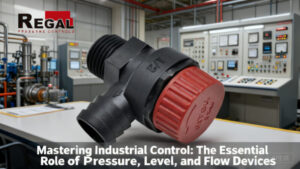
Perhaps no component underscores the importance of safety more than the safety relief valve. These mechanical devices are designed to automatically release excess pressure from a system, vessel, or equipment when the internal pressure exceeds a predetermined set point. Their function is purely protective, preventing catastrophic failures, explosions, and damage to costly equipment and, most importantly, protecting human life.
Safety relief valves are mandatory in systems handling pressurized gases or liquids, such as boilers, pressure vessels, pipelines, and refrigeration units. Unlike control valves, which regulate flow, relief valves are solely focused on emergency pressure release. They are engineered to open rapidly and fully to discharge the overpressure, then re-close once the pressure returns to a safe level. Regular inspection and certification of these valves are critical, as they represent the ultimate safeguard against over-pressurization.
The Integrated System: Synergy for Superior Performance
While each of these components performs a specific, vital function, their true power often lies in their integration. A sophisticated industrial process might see a water level sensor continuously monitoring a tank, while a water pressure switch controls the pump filling it. Should an unexpected overpressure event occur in the feed line, a safety relief valve acts immediately. Meanwhile, flow sensors ensure the correct volume of fluid is being transferred downstream. This interconnected network of switches and sensors provides a comprehensive overview and dynamic control, creating robust, resilient, and highly efficient operational environments.
Selecting the Right Components: Key Considerations
Choosing the appropriate pressure switches, level sensors, flow sensors, or safety relief valves requires careful consideration of several factors:
- Application Specifics: What fluid is being measured? What are the operating pressure and temperature ranges?
- Accuracy and Repeatability: How precise does the measurement or switching need to be?
- Materialverträglichkeit: Ensure the device materials can withstand the process media (e.g., corrosive chemicals).
- Environmental Conditions: Consider ambient temperature, vibration, and hazardous area classifications.
- Zertifizierungen: Compliance with industry standards (e.g., ASME, ATEX, UL) is often mandatory.
- Connectivity: Analog outputs, digital communication protocols (e.g., Modbus, HART), or simple relay contacts.
Maintenance & Longevity: Ensuring Uninterrupted Operation
Like all precision instruments, these critical components require regular maintenance and inspection. This includes periodic calibration of sensors, testing of switches, and visual inspection of safety relief valves and their associated Teile. Proactive maintenance schedules prevent unexpected failures, extend the lifespan of equipment, and ensure continuous, safe operation. Timely replacement of wear Teile is also essential to maintain peak performance and reliability.
Abschluss
Pressure switches, water level switches and sensors, flow sensors, and safety relief valves are more than just individual components; they are the foundational elements of modern industrial control and safety systems. Their precise operation enables efficient processes, conserves resources, and, most importantly, protects valuable assets and human lives. Investing in high-quality, reliable devices and ensuring their proper integration and maintenance is not merely good practice – it is an imperative for any organization striving for operational excellence and uncompromising safety.