In the intricate world of industrial operations, precision, safety, and efficiency are not merely goals; they are imperatives. The seamless functioning of machinery, the integrity of processes, and the safety of personnel hinge upon the accurate monitoring and control of fundamental physical parameters. This is where specialized devices like pressure switches, water level sensors, flow sensors, and safety relief valves become indispensable, forming the backbone of reliable and robust industrial automation systems.
Mastering Pressure Dynamics with Switches
Pressure is a critical parameter across nearly every industrial sector, from manufacturing and HVAC to water treatment and energy. Maintaining precise pressure within specified limits is vital for equipment longevity, process quality, and operational safety. This is where Druckschalter play a pivotal role.
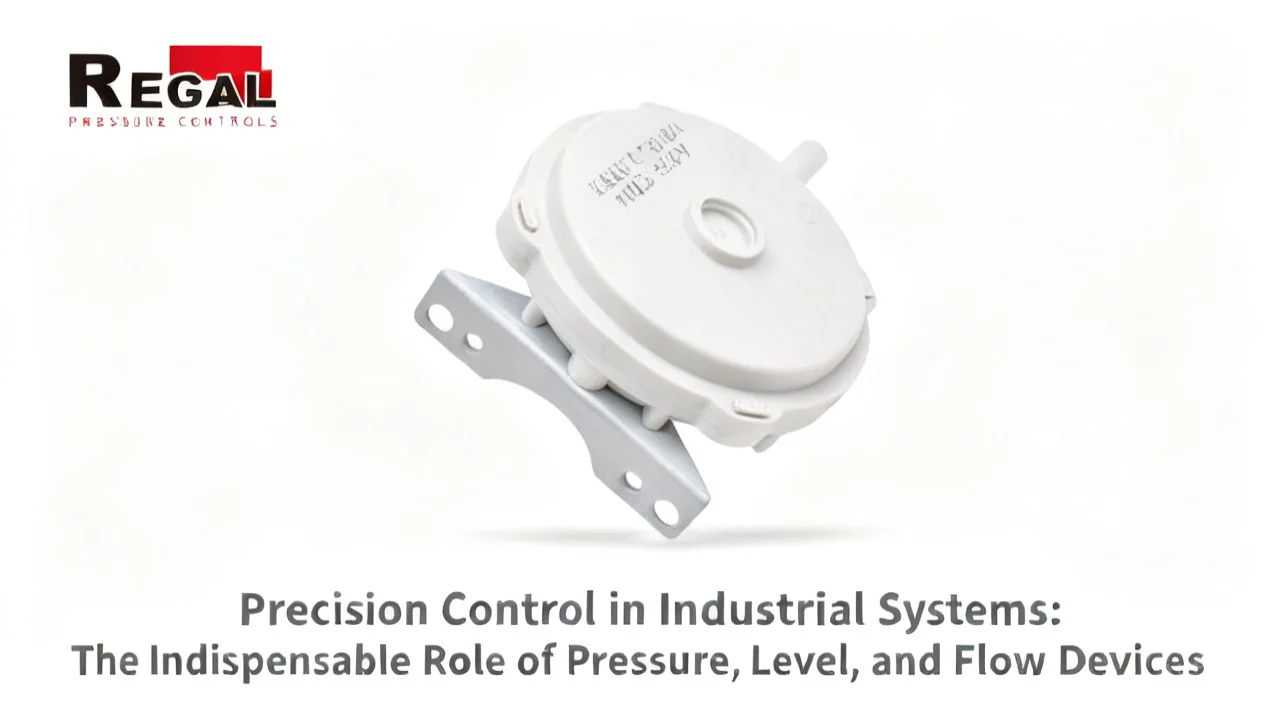
A pressure switch is an electromechanical device that monitors a system’s pressure and triggers an electrical contact when a pre-set pressure threshold is reached. These devices are fundamental for:
- System Protection: Preventing overpressure conditions that could damage pumps, compressors, and piping.
- Prozesssteuerung: Initiating or halting operations based on pressure requirements, such as starting a pump when pressure drops or stopping it when pressure is too high.
- Safety Interlocks: Ensuring equipment operates only under safe pressure conditions.
Specific types cater to different media and applications:
- Luftdruckschalter: Widely used in HVAC systems, pneumatic equipment, and air compressors to maintain optimal air pressure for various functions. They ensure efficient operation and prevent damage from excessive or insufficient pressure.
- Wasserdruckschalter: Essential for water pumps, irrigation systems, and municipal water supplies. They regulate water flow and pressure, protecting pumps from dry running and ensuring consistent water delivery.
The reliability of these switches directly impacts the uptime and safety of the entire system, making quality and appropriate selection paramount.
Water Level Management: Switches vs. Sensors
Managing fluid levels in tanks, sumps, boilers, and reservoirs is another critical aspect of industrial control. Both water level switches and water level sensors are designed for this purpose, though they operate differently:
- Wasserstandsschalter: These are discrete devices that provide a simple ON/OFF signal when a specific liquid level is reached. Common types include float switches (mechanical), conductive switches (electrical conductivity), and optical switches. They are ideal for applications requiring basic high-level alarms, low-level pump cut-offs, or automatic filling/draining operations.
- Wasserstandssensoren: Unlike switches, sensors provide a continuous output signal that corresponds to the actual liquid level. This analog (or digital) output can be used for precise level monitoring, trending, and sophisticated control systems. Technologies include ultrasonic, hydrostatic, radar, and guided wave radar sensors. They are crucial for inventory management, continuous process control, and applications where precise level data is required for optimization.
The choice between a switch and a sensor depends on the application’s complexity, the required level of detail, and the control system’s capabilities. Both are vital for preventing overflows, protecting pumps from cavitation, and ensuring consistent product quality.
Monitoring Flow for Efficiency and Quality
The movement of liquids and gases – or flow – is a fundamental process in countless industries. From chemical processing to food and beverage production, accurate flow measurement is essential for process control, resource management, and quality assurance. This is where Durchflusssensoren come into play.
Flow sensors measure the rate at which a fluid passes through a pipe or conduit. They come in various technologies, each suited for different applications:
- Turbinen-Durchflusssensoren: Ideal for clean liquids, measuring flow by the rotation of a turbine wheel.
- Elektromagnetische Durchflusssensoren: Excellent for conductive liquids, offering high accuracy with no moving parts.
- Ultraschall-Durchflusssensoren: Non-intrusive, suitable for a wide range of fluids, including corrosive ones, by measuring sound wave travel time.
- Thermische Massenstromsensoren: Primarily used for gases, measuring flow by heat transfer.
Accurate flow data enables:
- Process Optimization: Ensuring correct ingredient ratios in mixing, or precise dosing in chemical reactions.
- Ressourcenmanagement: Monitoring water consumption, gas usage, or energy efficiency.
- Leckerkennung: Identifying abnormal flow rates that could indicate leaks or blockages.
- Quality Control: Maintaining consistent flow rates for uniform product quality.
The Non-Negotiable Role of Safety Relief Valves
While switches and sensors regulate routine operations, Sicherheitsventile are the ultimate guardians against catastrophic failure due to overpressure. These mechanical devices are designed to automatically open and discharge fluid when the system pressure exceeds a predetermined safe limit, thereby protecting pressure vessels, piping systems, and other equipment from rupture or explosion.
Key aspects of safety relief valves include:
- Automatic Operation: They function independently of external power or control systems, relying solely on system pressure.
- Critical Safety Function: Their primary purpose is to prevent injury to personnel, damage to equipment, and environmental contamination.
- Einhaltung gesetzlicher Bestimmungen: Their use is mandated by numerous industry standards and regulations (e.g., ASME Boiler and Pressure Vessel Code) due to their critical safety role.
Investing in high-quality, properly sized, and regularly maintained safety relief valves is not merely good practice; it is a legal and ethical obligation for any industrial operation dealing with pressurized systems.
Die Bedeutung von Qualitätsteilen und integrierten Systemen
The efficacy of any industrial control system is only as strong as its weakest link. Therefore, the selection of high-quality Teile for all these devices – from robust housings and durable sensing elements to reliable electrical contacts – is paramount. Substandard components can lead to inaccurate readings, premature failures, and costly downtime, compromising both efficiency and safety.
Furthermore, these individual devices rarely operate in isolation. They are integral components of larger, interconnected industrial automation systems. Their effective integration, coupled with regular calibration and maintenance, ensures a cohesive and reliable control environment that supports long-term operational excellence.
Abschluss
In the dynamic landscape of modern industry, the precise control of pressure, liquid levels, and flow rates is non-negotiable. Pressure switches, water level switches and sensors, flow sensors, and safety relief valves are not just components; they are critical safeguards and enablers of efficiency. By understanding their individual roles and ensuring their quality, proper selection, and seamless integration, industries can achieve unparalleled levels of operational safety, reliability, and productivity, paving the way for sustainable growth and innovation.