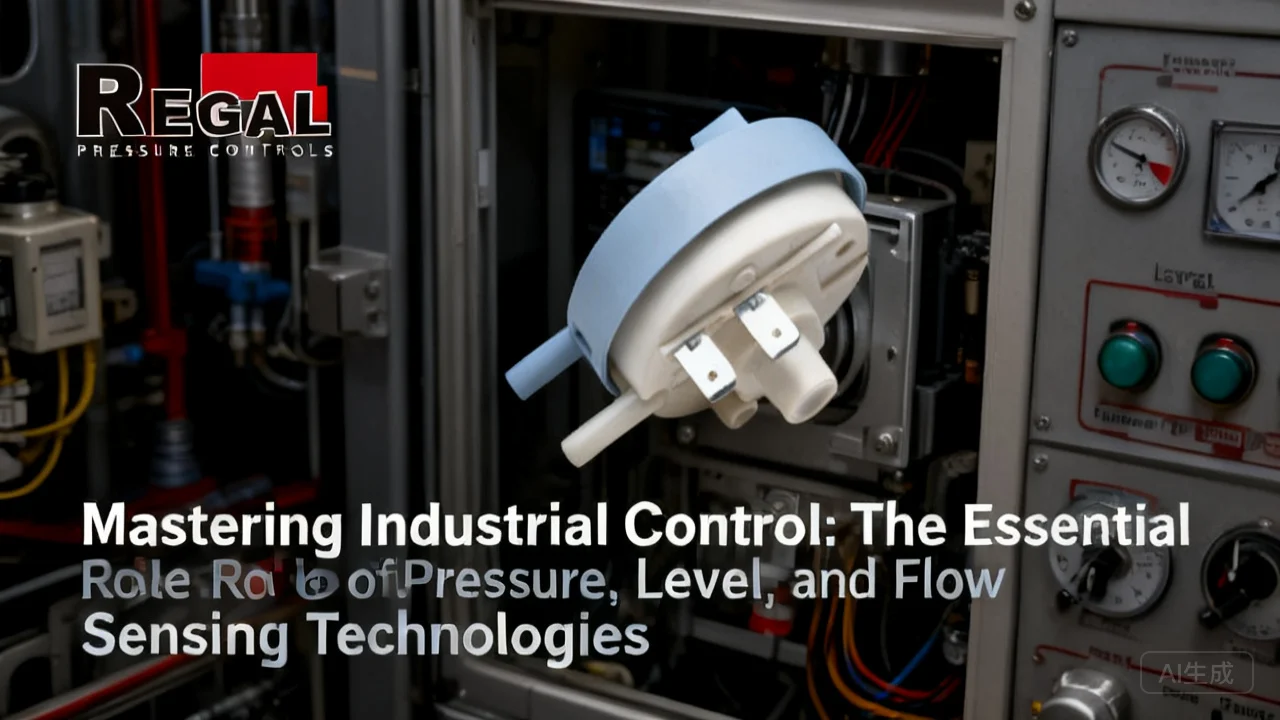
In the complex world of industrial operations, precision, safety, and efficiency are not just ideals; they are non-negotiable requirements. Achieving these benchmarks hinges significantly on the accurate monitoring and control of fundamental physical parameters such as pressure, fluid levels, and flow rates. This is where a suite of specialized components – pressure switches, level sensors, flow sensors, and safety relief valves – become the unsung heroes of modern manufacturing, processing, and infrastructure management. Understanding their individual functions and collective synergy is paramount for any business striving for operational excellence and robust safety protocols.
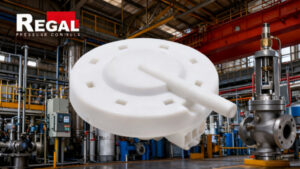
Pressure switches are electromechanical devices designed to monitor and respond to changes in pressure within a system. When the pressure reaches a predetermined set point, the switch activates or deactivates an electrical circuit, triggering an action. This simple yet vital function makes them indispensable across a multitude of applications.
Luftdruckschalter
- Pneumatic Systems: Essential for controlling air compressors, ensuring they maintain optimal pressure for tools and machinery, and preventing over-pressurization.
- HVAC Systems: Used to monitor air filter status, fan operation, and duct pressure, contributing to efficient climate control and air quality.
- Industrial Furnaces: Safeguard against insufficient airflow, which could lead to incomplete combustion and hazardous conditions.
Wasserdruckschalter
- Pumping Systems: Crucial for maintaining consistent water supply in residential, commercial, and industrial settings. They turn pumps on when pressure drops and off when it reaches the desired level, preventing dry-running and over-pressurization.
- Bewässerungssysteme: Ensure efficient water distribution and prevent damage to pipes and equipment from fluctuating pressures.
- Water Treatment Plants: Monitor pressure in filtration systems and pipelines, signaling issues that could affect water quality or delivery.
The reliability of pressure switches directly impacts equipment longevity, energy consumption, and overall system stability.
Water Level Switches and Sensors: Precision in Fluid Management
Managing fluid levels is critical in countless industrial processes, from chemical manufacturing to wastewater treatment. Water level switches and sensors provide the necessary intelligence to prevent costly overflows, damaging dry-runs, and ensure optimal inventory management.
Wasserstandsschalter
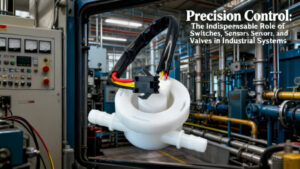
These devices provide discrete ON/OFF signals when a fluid reaches a specific high or low level. Common types include float switches, which mechanically activate based on buoyancy, and conductive switches that detect fluid presence between electrodes.
- Tank Monitoring: Automatically start or stop pumps to fill or empty tanks, preventing spills or critical shortages.
- Sump Pumps: Activate pumps to remove accumulating water, preventing flooding in basements or industrial pits.
- Safety Interlocks: Ensure processes only run when fluid levels are within safe operating parameters.
Wasserstandssensoren
Unlike switches, sensors provide continuous measurement of fluid levels, offering a more granular view of tank contents. Technologies include:
- Ultraschallsensoren: Emit sound waves that bounce off the fluid surface, measuring the time of flight to determine distance and thus level. Ideal for non-contact measurement.
- Kapazitive Sensoren: Detect changes in capacitance caused by the presence of fluid, suitable for various liquid types.
- Hydrostatische Sensoren: Measure the pressure exerted by the fluid column, directly correlating to the fluid level.
These sensors are vital for inventory control, process automation, and ensuring consistent product quality in industries ranging from food and beverage to pharmaceuticals.
Flow Sensors: The Pulse of Fluid Dynamics
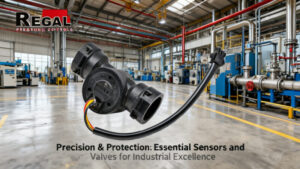
Monitoring the flow rate of liquids and gases is fundamental to process control, quality assurance, and resource management. Flow sensors provide real-time data on how much fluid is moving through a pipe, enabling precise control and optimization.
- Chemical Dosing: Ensure accurate mixing ratios in chemical processes, critical for product consistency and safety.
- HVAC and Cooling Systems: Monitor coolant flow to maintain optimal temperatures and prevent overheating.
- Bewässerungssysteme: Optimize water usage by ensuring the correct amount of water is delivered to crops or landscapes.
- Leckerkennung: Unusually high or low flow rates can signal leaks or blockages, allowing for prompt intervention.
- Process Monitoring: Crucial for understanding consumption, production rates, and overall system efficiency in almost any fluid-based operation.
From paddle wheel sensors to electromagnetic and ultrasonic flow meters, the choice of sensor depends on the fluid properties, required accuracy, and application environment.
Sicherheitsventile: Die letzte Verteidigungslinie
While sensing and control devices manage normal operations, safety relief valves stand as the ultimate safeguard against catastrophic overpressure events. These mechanical devices are designed to automatically open and release excess pressure from a system, then reclose once the pressure returns to a safe level.
- Pressure Vessels: Indispensable for boilers, storage tanks, and reactors, preventing explosions or structural failure due to internal pressure buildup.
- Pipelines: Protect long-distance fluid transport systems from pressure surges that can occur due to blockages or pump failures.
- Compressors and Pumps: Act as a safety mechanism, releasing pressure if primary controls fail or if the system experiences an unexpected surge.
Compliance with industry standards and regulations often mandates the inclusion of safety relief valves, making their proper selection, installation, and regular testing absolutely critical for personnel safety and asset protection.
The Synergy of Quality Parts for Uninterrupted Operations
The true power of these individual components emerges when they are integrated into a cohesive industrial control system. A pressure switch might initiate a pump based on low water pressure, while a level sensor ensures the tank doesn’t overflow, and a flow sensor verifies the correct amount of fluid is being delivered. All the while, a safety relief valve stands ready to protect the entire system from unforeseen pressure spikes.
The performance and longevity of these systems are directly tied to the quality of each part. Substandard components can lead to:
- Inaccurate Readings: Compromising process control and product quality.
- Frequent Failures: Leading to costly downtime, increased maintenance, and lost productivity.
- Safety Hazards: Especially critical for pressure relief devices, where failure can have devastating consequences.
Investing in high-quality, reliable pressure switches, level sensors, flow sensors, and safety relief valves from reputable manufacturers is not merely an expense; it is a strategic investment in operational efficiency, safety compliance, and long-term profitability. Regular calibration, maintenance, and adherence to manufacturer guidelines further ensure these vital components continue to perform their critical roles effectively, safeguarding your processes and personnel.
In conclusion, the sophisticated interplay of these sensing and safety devices forms the backbone of modern industrial automation. By understanding their functions and committing to quality, businesses can build robust, efficient, and exceptionally safe operational environments.