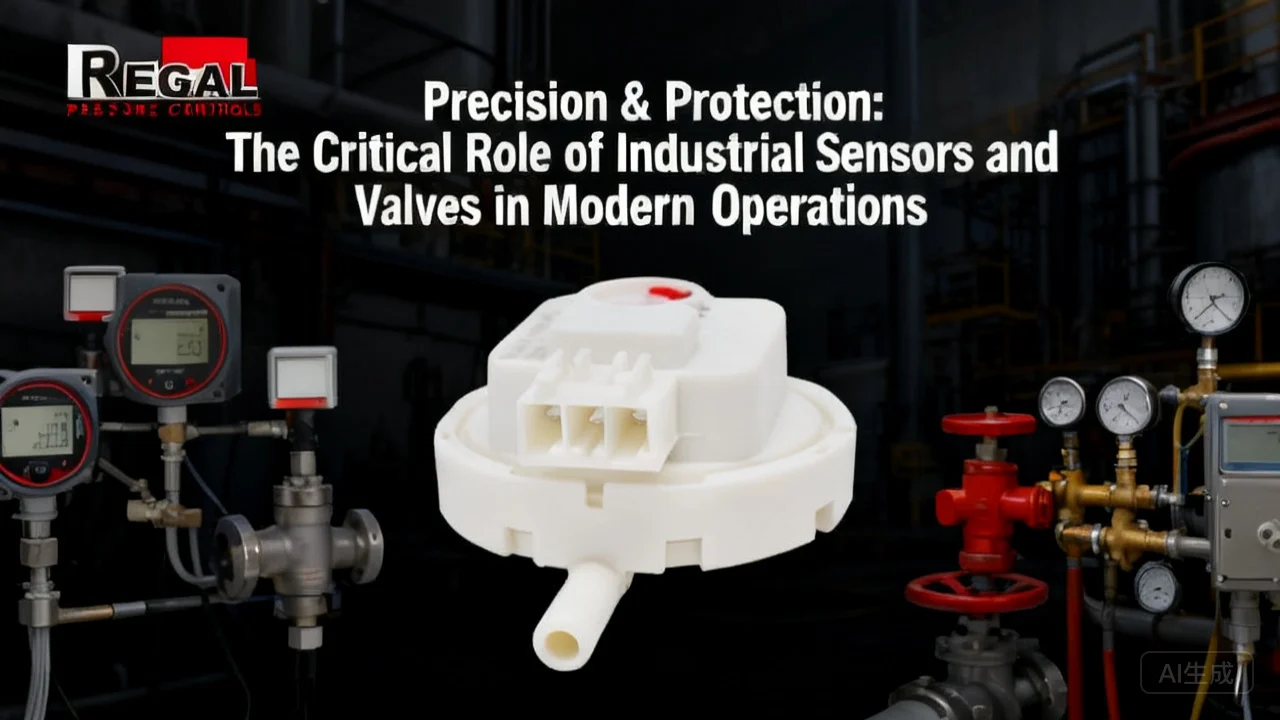
In the intricate world of industrial automation and process control, certain components operate as the unsung heroes, constantly monitoring, regulating, and safeguarding complex systems. From maintaining optimal fluid dynamics to preventing catastrophic failures, devices like pressure switches, water level sensors, flow sensors, and safety relief valves are not mere accessories but foundational elements. For B2B stakeholders, understanding the nuanced applications and critical importance of these components is key to ensuring operational excellence, compliance, and paramount safety.
Pressure Switches: The Foundation of Controlled Environments
At the heart of many industrial processes lies the humble yet indispensable pressure switch. These devices are designed to respond to changes in pressure, activating or deactivating an electrical circuit when a predefined set point is reached. Their versatility makes them crucial across a multitude of applications:
- Luftdruckschalter: Essential in HVAC systems, pneumatic machinery, and compressed air networks, air pressure switches monitor filter status, fan operation, and system integrity. They ensure that air systems operate within safe and efficient parameters, preventing damage and optimizing energy consumption.
- Wasserdruckschalter: Vital for pump control in water treatment plants, irrigation systems, and industrial cooling circuits, water pressure switches maintain desired pressure levels, protecting pumps from dry running or over-pressurization. They are fundamental for consistent water supply and process stability.
The precision and reliability of a well-chosen pressure switch directly impact system performance and longevity, making their selection a critical engineering decision.
Water Level Management: Switches vs. Sensors
Managing liquid levels is paramount in industries ranging from chemical processing to wastewater treatment. Both water level switches and water level sensors play distinct, yet equally vital, roles:
- Wasserstandsschalter: These are discrete devices that provide an ON/OFF signal when a specific liquid level is reached. Ideal for simple control tasks like activating a pump to fill or empty a tank, or triggering an alarm for high or low levels. They are robust, reliable, and often used in sumps, reservoirs, and process tanks for basic automation.
- Wasserstandssensoren: Offering continuous measurement, water level sensors provide real-time data on the exact liquid height. Utilized for more sophisticated control, inventory management, and trend analysis, these sensors enable precise regulation of processes, optimize material usage, and prevent spills or shortages. Technologies vary from ultrasonic to hydrostatic, each suited for different media and environmental conditions.
Choosing between a switch and a sensor depends on the required level of control and monitoring, but both are indispensable for efficient and safe liquid management.
Flow Sensors: Monitoring the Pulse of Your System
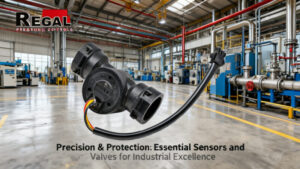
Just as pressure and level are critical, understanding the movement of fluids is essential for many industrial operations. Flow sensors measure the rate at which a fluid (liquid or gas) moves through a pipe or conduit. Their applications are diverse and impactful:
- Prozesssteuerung: In chemical plants, pharmaceuticals, and food & beverage production, flow sensors ensure accurate dosing, mixing, and batching, directly impacting product quality and consistency.
- Cooling Systems: Monitoring coolant flow prevents overheating in critical machinery, protecting valuable assets and avoiding costly downtime.
- HVAC and Utilities: Used to optimize energy consumption by ensuring efficient distribution of heating or cooling fluids.
Accurate flow measurement is a cornerstone of process efficiency, waste reduction, and predictive maintenance strategies.
Safety Relief Valves: The Ultimate Guardian Against Catastrophe
While sensors and switches optimize operations, safety relief valves (SRVs) stand as the last line of defense against potentially catastrophic overpressure events. These mechanical devices automatically open to release excess pressure from a vessel or system and then re-close once the pressure returns to a safe level.
- Overpressure Protection: In boilers, pressure vessels, pipelines, and chemical reactors, SRVs are mandated by safety regulations to prevent equipment rupture, explosions, and harm to personnel.
- Compliance and Risk Mitigation: Proper selection, installation, and maintenance of SRVs are non-negotiable for regulatory compliance and essential for mitigating operational risks, protecting assets, and ensuring worker safety.
Investing in high-quality, certified safety relief valves and their regular inspection is not just good practice; it is a critical safety imperative.
The Synergy of Components and Quality Parts
The effectiveness of any industrial system relies on the seamless integration and reliable performance of each individual component. From the smallest O-ring to the most complex sensor, the quality of parts directly impacts the overall system’s longevity, accuracy, and safety profile. Sourcing high-quality parts ensures:
- Haltbarkeit: Components designed for harsh industrial environments withstand wear and tear, reducing maintenance frequency.
- Accuracy: Precise measurements and consistent actuation are vital for optimal process control.
- Compliance: Certified parts help meet industry standards and regulatory requirements.
- Reduced Downtime: Reliable components mean fewer unexpected failures and more predictable operation.
Conclusion: Investing in Reliability and Future-Proofing Operations
Pressure switches, water level switches and sensors, flow sensors, and safety relief valves are more than just hardware; they are the bedrock of industrial reliability, efficiency, and safety. For B2B leaders, recognizing their profound impact underscores the importance of strategic procurement, meticulous system design, and ongoing maintenance. By investing in high-quality, professional-grade components and understanding their critical roles, businesses can ensure robust operations, protect valuable assets, safeguard personnel, and pave the way for sustainable growth in an increasingly automated world.