In the complex landscape of modern industrial operations, the precise control, monitoring, and safety of fluid systems are paramount. From manufacturing plants to water treatment facilities, the efficiency, reliability, and safety of processes heavily depend on a suite of specialized components. This article delves into the indispensable functions of pressure switches, level sensors, flow sensors, and safety relief valves, highlighting their collective contribution to operational excellence.
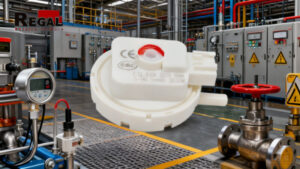
Pressure switches are fundamental devices designed to monitor and respond to changes in fluid pressure within a system. They act as critical control points, triggering an electrical contact when a predefined pressure threshold is reached. This simple yet powerful mechanism allows for automation, protection, and precise process control across countless applications.
Luftdruckschalter
Luftdruckschalter are vital in pneumatic systems, HVAC, and industrial air compressors. They are used to maintain optimal pressure levels, activate or deactivate compressors based on demand, and provide safety interlocks. For instance, in an air compressor system, an air pressure switch ensures the compressor only operates when air pressure drops below a set point, conserving energy and preventing over-pressurization. In HVAC systems, they monitor duct pressure, activating fans or alarms in case of blockages or failures, thus ensuring proper ventilation and air quality.
Wasserdruckschalter
Similarly, Wasserdruckschalter are indispensable in hydraulic systems, pump control, and water distribution networks. They regulate water pumps, ensuring a consistent water supply by activating the pump when pressure falls and shutting it off when the desired pressure is achieved. This prevents dry running of pumps, extends equipment lifespan, and maintains system integrity in applications ranging from domestic well systems to large-scale industrial water pipelines and irrigation systems. Their reliability is key to preventing system failures and ensuring continuous operations.
Precision in Level Management: Water Level Switches and Sensors
Accurate monitoring of fluid levels is crucial for preventing overflows, protecting pumps, and managing inventory. Wasserstandsschalter Und Wasserstandssensoren provide distinct yet complementary solutions for this need.
Wasserstandsschalter
Wasserstandsschalter operate on a simple on/off principle, activating a circuit when the water reaches or falls below a specific point. These are commonly used for basic pump control (e.g., turning on a sump pump when water rises to a certain level) or for high/low alarm indications in tanks and reservoirs. Their robust and straightforward design makes them ideal for applications requiring reliable point-level detection without continuous measurement.
Wasserstandssensoren
In contrast, Wasserstandssensoren provide continuous, real-time data on fluid levels. Utilizing various technologies such as ultrasonic, hydrostatic, or radar, these sensors offer precise measurements that can be integrated into SCADA systems or PLCs for advanced automation and data logging. They are critical in chemical processing, wastewater treatment, and large storage tanks where precise inventory management and process control are essential, enabling predictive maintenance and optimized resource allocation.
Monitoring the Flow: The Importance of Flow Sensors
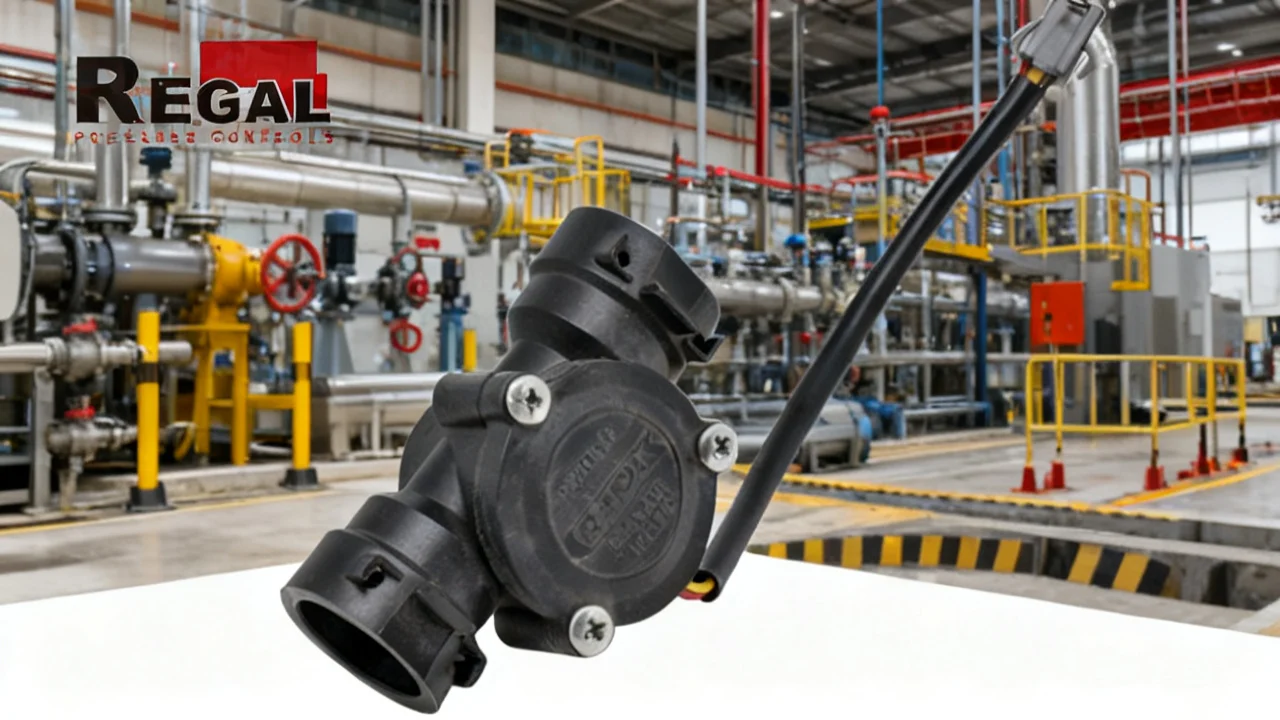
The ability to accurately measure the rate of fluid movement is vital for process control, quality assurance, and resource management. Durchflusssensoren play a pivotal role in monitoring and regulating the speed and volume of liquids or gases passing through a system.
These sensors are employed across a wide spectrum of industries, from monitoring coolant flow in manufacturing machinery to ensuring correct dosing rates in chemical mixing processes. They help detect leaks, optimize pump performance, and ensure that processes operate within specified parameters. By providing real-time data on flow rates, these devices enable operators to make informed decisions, prevent inefficiencies, and maintain product consistency. Their applications extend to HVAC systems for air flow monitoring, water distribution for consumption tracking, and industrial processes for material balance.
The Ultimate Guardian: Safety Relief Valves
Perhaps the most critical components for system integrity and personnel safety are Safety Relief Valves. These mechanical devices are designed to automatically open and discharge excess pressure from a system when it exceeds a predetermined safe limit, thereby preventing catastrophic failures, explosions, and damage to equipment or injury to personnel.
Safety relief valves are mandatory in systems containing pressure vessels, boilers, pipelines, and chemical reactors. They act as a last line of defense, ensuring that internal pressure never reaches a point where the structural integrity of the equipment is compromised. Their robust design and fail-safe operation are non-negotiable in high-pressure environments, making them a cornerstone of industrial safety protocols. Regular inspection and maintenance of these valves are crucial to ensure their readiness and effectiveness in emergency situations.
Die Grundlage für Zuverlässigkeit: Hochwertige Bauteile
The performance and longevity of any industrial system are only as good as the sum of its Teile. Utilizing high-quality, genuine components for pressure switches, level sensors, flow sensors, and safety relief valves is not merely a recommendation but a necessity. Substandard parts can lead to inaccurate readings, premature failures, increased downtime, and, most critically, compromised safety.
Investing in reliable, well-engineered parts ensures precision, durability, and consistent performance, ultimately reducing operational costs through fewer repairs and extended equipment life. Furthermore, proper selection of parts that meet industry standards and specific application requirements is crucial for system optimization and compliance.
Abschluss
The intricate interplay of pressure switches, water level switches and sensors, flow sensors, and safety relief valves forms the backbone of efficient, safe, and reliable industrial operations. Each component, while serving a distinct purpose, contributes to a holistic system that ensures process control, prevents hazards, and optimizes resource utilization. For any B2B enterprise aiming for operational excellence, understanding and strategically implementing these critical fluid control and safety components, alongside a commitment to quality parts, is not just beneficial—it is absolutely essential for achieving sustainable success and maintaining a competitive edge.