In the intricate world of industrial operations, precision, safety, and efficiency are not merely goals—they are fundamental requirements. From manufacturing plants to water treatment facilities, HVAC systems to complex hydraulic setups, the ability to accurately monitor and control the physical parameters of fluids and gases is paramount. This is where a suite of critical components—pressure switches, level sensors, flow sensors, and safety relief valves—emerge as the unsung heroes, forming the backbone of reliable industrial automation and process control.
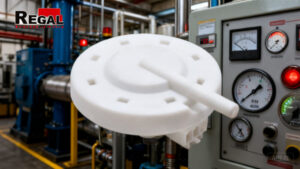
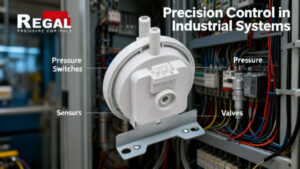
Pressure switches are electromechanical devices designed to detect a change in pressure and activate or deactivate an electrical contact when a predetermined pressure point is reached. Their versatility makes them indispensable across a vast spectrum of applications:
- Luftdruckschalter: Crucial in compressed air systems, these switches monitor air pressure in compressors, pneumatic tools, and HVAC ducts. They ensure systems operate within safe limits, prevent equipment damage, and optimize energy consumption by controlling compressor cycles.
- Wasserdruckschalter: Essential for maintaining consistent water supply and protecting pumps, these switches are found in booster pumps, irrigation systems, and residential water systems. They activate pumps when pressure drops below a set point and deactivate them when the desired pressure is achieved, preventing dry running and ensuring system integrity.
Beyond air and water, pressure switches are vital in hydraulic systems, steam lines, and process control, acting as critical safety interlocks and operational triggers. Their robust design and precise actuation contribute significantly to operational stability and preventative maintenance strategies.
Mastering Fluid Dynamics: Water Level and Flow Sensors
Managing liquids effectively requires sophisticated sensing capabilities. Water level switches and sensors, along with flow sensors, provide the intelligence needed to prevent costly overflows, damaging dry runs, and inefficient fluid transfer.
- Water Level Switches & Sensors: These devices are engineered to detect the presence or absence of liquid at specific points, or to continuously monitor liquid levels within a container.
- Wasserstandsschalter: Typically provide a discrete output (on/off) when a certain level is reached. They are used to trigger pumps for filling or emptying tanks, sound alarms for high or low levels, or activate safety shutdowns. Float switches are common examples, physically rising or falling with the liquid level to actuate a contact.
- Wasserstandssensoren: Offer continuous measurement, providing an analog or digital output proportional to the liquid level. Technologies range from ultrasonic sensors that measure the time for sound waves to reflect off the surface, to capacitive sensors that detect changes in capacitance caused by the liquid’s dielectric properties. These are critical for inventory management, process control, and ensuring consistent product quality in industries like food and beverage, chemical processing, and wastewater treatment.
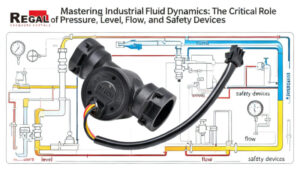
- Flow Sensors: Monitoring the movement of fluids is essential for efficiency, quality control, and safety. Flow sensors measure the rate at which a fluid or gas moves through a pipe or conduit.
- Turbinen-Durchflusssensoren: Utilize a rotating turbine whose speed is proportional to the flow rate.
- Schaufelrad-Durchflusssensoren: Similar to turbines, but often simpler and more cost-effective for certain applications.
- Ultraschall-Durchflusssensoren: Non-invasive, measuring flow by analyzing the effect of fluid movement on ultrasonic waves.
Applications span from monitoring coolant flow in machinery to ensuring correct dosing in chemical processes, and managing irrigation systems effectively. Accurate flow data prevents wastage, optimizes resource utilization, and ensures adherence to process specifications.
The Ultimate Guardian: Safety Relief Valves
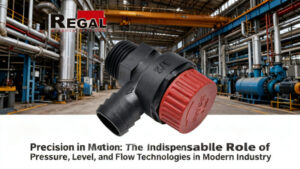
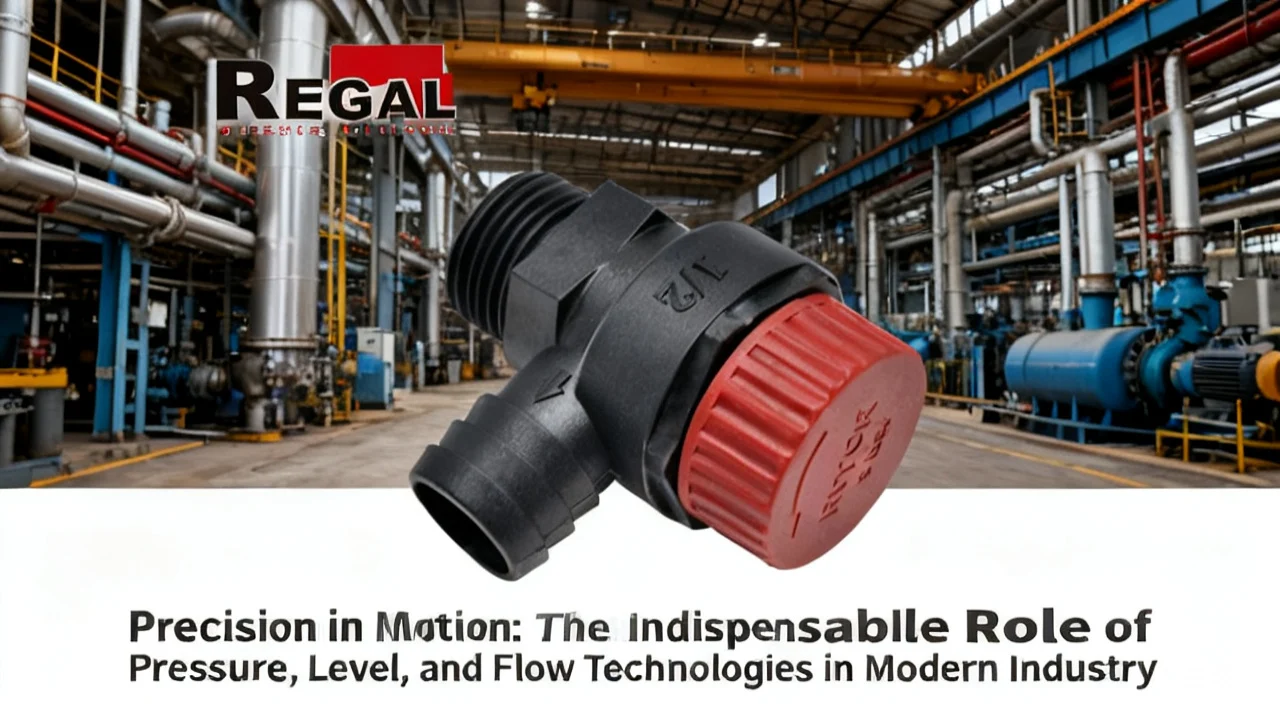
While sensors and switches provide control, safety relief valves are the last line of defense against catastrophic system failures due to overpressure. These mechanical devices are designed to automatically open and discharge fluid when the system pressure exceeds a predetermined set point, then reclose once the pressure returns to a safe level.
Safety relief valves are non-negotiable in systems handling pressurized gases or liquids, including boilers, pressure vessels, pipelines, and chemical reactors. They protect expensive equipment from damage, prevent leaks, and, most importantly, safeguard personnel from potential hazards. Compliance with industry standards and regulations, such as ASME codes, often mandates their use, underscoring their critical role in industrial safety protocols.
The Foundation of Reliability: Quality Parts and Integrated Solutions
The performance and longevity of any industrial control system are only as good as its individual components. Choosing high-quality parts—whether it’s a robust pressure switch, a precise level sensor, an accurate flow sensor, or a dependable safety relief valve—is paramount. Inferior components can lead to inaccurate readings, premature failures, costly downtime, and even safety risks.
Beyond individual parts, the integration of these technologies into a cohesive system is key. Proper installation, calibration, and regular maintenance are essential to ensure optimal performance and extend operational lifespan. Partnering with suppliers who offer not just quality products but also expertise in system design and support ensures that your industrial processes remain efficient, safe, and compliant.
Abschluss
Pressure switches, water level switches, water level sensors, flow sensors, and safety relief valves are far more than just components; they are the vigilant sentinels of industrial integrity. By providing precise control, critical monitoring, and indispensable safety mechanisms, these technologies enable industries to operate with unparalleled efficiency, reduce risks, and achieve sustainable growth. Investing in high-quality, reliable sensing and safety solutions is an investment in the future resilience and success of your operations.