The Unseen Guardians: Pressure Switches
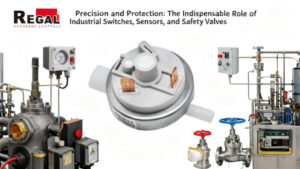
In the intricate world of industrial operations, precision and reliability are paramount. Every system, from HVAC to complex chemical processing, relies on a network of sensors and control devices to function efficiently and safely. Among the most critical of these are pressure switches, water level sensors, flow sensors, and safety relief valves. These unsung heroes ensure processes run smoothly, prevent costly downtime, and, most importantly, safeguard personnel and assets.
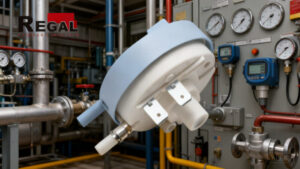
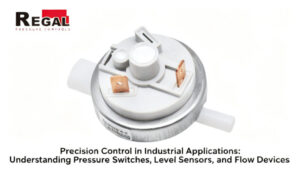
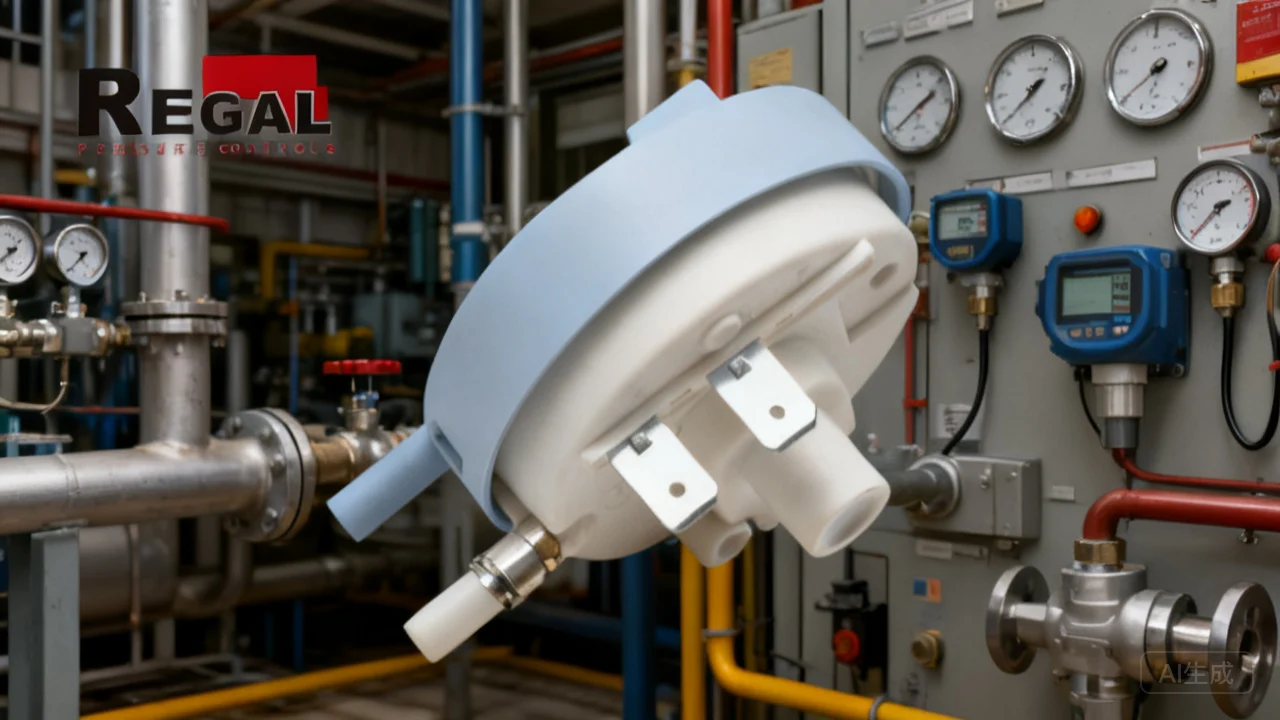
Pressure switches are fundamental components designed to monitor and respond to changes in system pressure. Their primary function is to open or close an electrical contact when a predetermined pressure threshold is reached, thereby activating or deactivating other system components. This simple yet powerful mechanism makes them indispensable across a vast array of applications.
For instance, an سوئیچ فشار هوا is vital in pneumatic systems, air compressors, and HVAC units, ensuring that air pressure remains within safe and operational limits. Exceeding or dropping below these limits can lead to equipment damage or system failure. Similarly, a سوئیچ فشار آب is crucial in pump control systems, irrigation, and water treatment plants, managing water flow and preventing issues like dry-running pumps or overpressurization in pipelines. The reliability of these switches directly impacts energy consumption, equipment longevity, and overall process stability.
Navigating Liquid Assets: Water Level Control
Managing liquid levels is another critical aspect of industrial control, particularly in storage tanks, sumps, boilers, and processing vessels. Inaccurate level monitoring can lead to overflows, dry-runs, or inefficient material usage, all of which have significant financial and operational consequences. Here, both سوئیچهای سطح آب و سنسورهای سطح آب نقشهای متمایز اما مکمل را ایفا میکنند.
A سوئیچ سطح آب typically provides a point-level detection, indicating whether the liquid has reached a specific high or low point. These are often used for simple on/off control, such as starting a pump when a tank is full or stopping it when it’s empty. They are robust, cost-effective, and ideal for applications where only discrete level indications are required.
In contrast, a سنسور سطح آب offers continuous measurement, providing real-time data on the exact liquid level. These sensors, which can employ various technologies like ultrasonic, hydrostatic, or radar, transmit an analog or digital signal proportional to the level. This continuous feedback is essential for sophisticated process control, inventory management, and applications requiring precise dosing or blending. Implementing the correct level control device is paramount for optimizing liquid-based processes, preventing waste, and ensuring consistent product quality.
The Pulse of Production: Flow Sensors
The movement of fluids — whether liquids or gases — is central to countless industrial processes. Monitoring the rate and volume of this movement is crucial for efficiency, quality control, and safety. This is where سنسورهای جریان come into play. These devices measure the velocity or volume of a fluid passing through a pipe or channel, providing critical data for process optimization.
From ensuring the correct amount of coolant flows through a machine to measuring the precise ingredient mix in a chemical reactor, flow sensors are indispensable. They help detect leaks, optimize energy usage in HVAC systems, manage irrigation water, and ensure that production rates are met. Various types of flow sensors exist, each suited to different fluid types, flow rates, and environmental conditions, offering solutions for nearly every industrial challenge involving fluid transport.
The Last Line of Defense: Safety Relief Valves
While pressure switches and sensors maintain operational parameters, شیرهای اطمینان act as the ultimate safeguard against catastrophic failures due to overpressure. These mechanical devices are designed to automatically release excess pressure from a system when a predetermined set point is reached, preventing equipment rupture, pipeline explosions, and severe injury to personnel.
Safety relief valves are mandated in numerous industries, including oil and gas, chemical processing, power generation, and boiler systems. Their robust design and fail-safe operation make them a non-negotiable component for compliance with safety regulations and the protection of high-value assets. Unlike control valves, which regulate flow, relief valves are purely protective devices, activating only in emergency overpressure situations. The integrity and proper functioning of these valves are paramount, making their selection, installation, and regular maintenance critical.
The Foundation of Reliability: Quality Components and Parts
The performance and longevity of any industrial system are only as good as the sum of its قطعات. The reliability of pressure switches, level sensors, flow sensors, and safety relief valves hinges entirely on the quality of their manufacturing and the materials used. Investing in high-quality components from reputable manufacturers ensures accuracy, durability, and consistent performance, minimizing the risk of premature failure and costly downtime.
When selecting these critical devices, engineers and procurement specialists must consider factors such as material compatibility with process fluids, operating temperature and pressure ranges, environmental resistance, and certification to relevant industry standards. Choosing inferior parts might offer short-term cost savings but invariably leads to higher operational costs due to frequent replacements, calibration issues, and potential safety hazards.
Integrating for Superior Performance
Ultimately, these diverse control devices — pressure switches, level sensors, flow sensors, and safety relief valves — do not operate in isolation. They are integral parts of a larger, interconnected control system. Effective industrial automation relies on the seamless integration of these components, allowing them to communicate and respond synergistically to maintain optimal process conditions. A well-designed system leverages the strengths of each device, creating a robust, efficient, and safe operational environment.
From ensuring a precise water level in a chemical reactor to maintaining optimal air pressure in a pneumatic tool, and providing fail-safe protection against overpressure, these devices are the bedrock of modern industrial reliability. Understanding their functions, selecting the right type for each application, and prioritizing quality are essential steps toward achieving operational excellence and ensuring a safe working environment.