In the intricate world of industrial operations, precision, safety, and efficiency are paramount. Achieving these goals relies heavily on the accurate monitoring and control of various physical parameters within systems. From regulating fluid dynamics to preventing catastrophic overpressure events, a suite of specialized components forms the backbone of reliable industrial processes. This article delves into the critical roles of pressure switches, water level switches and sensors, flow sensors, and safety relief valves, highlighting their applications and the immense value they bring to B2B technical environments.
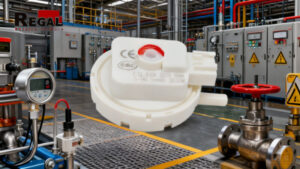
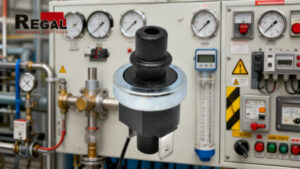
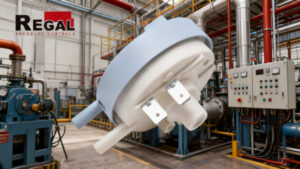
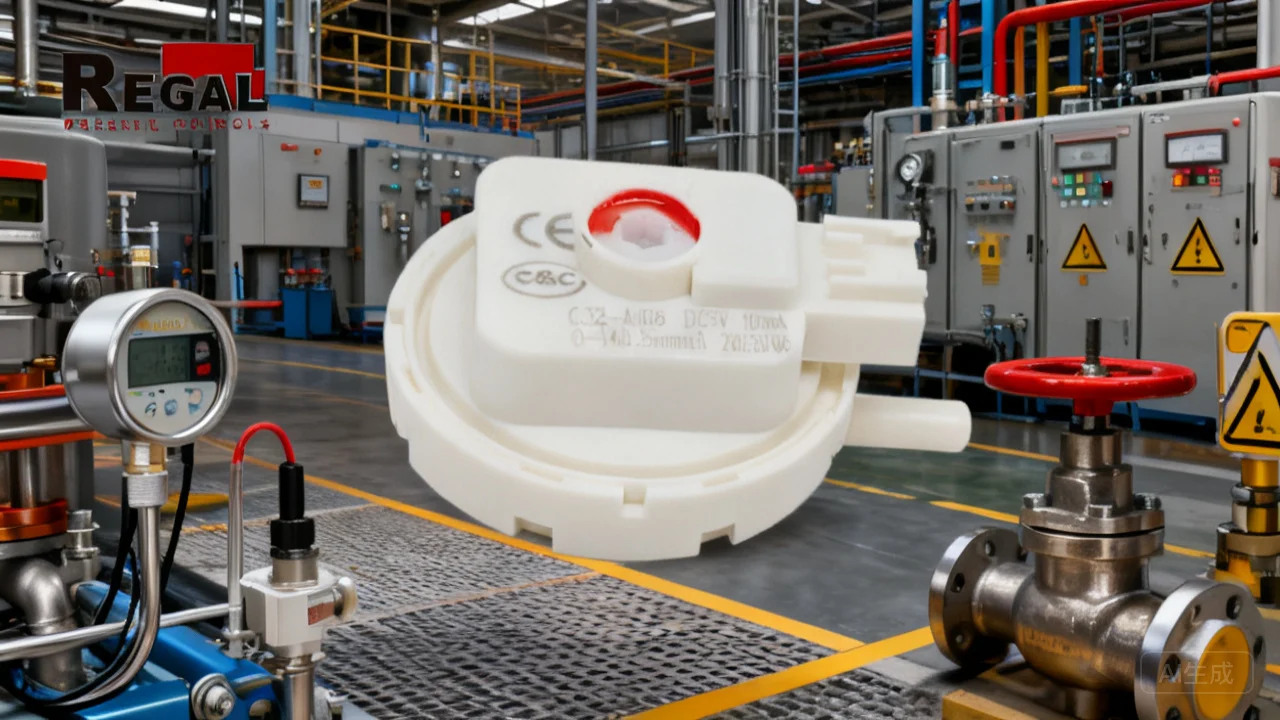
Pressure switches are electromechanical devices designed to monitor and respond to changes in pressure within a system. When the pressure reaches a predetermined set point, the switch activates or deactivates an electrical circuit, triggering an action such as starting a pump, shutting down a compressor, or activating an alarm. Their robust design and precise operation make them indispensable across a multitude of industries.
Luftdruckschalter
Air pressure switches are vital in pneumatic systems, HVAC applications, and industrial air compressors. They ensure that air pressure remains within safe and operational limits. For instance, in an air compressor system, a pressure switch can automatically stop the compressor once the desired tank pressure is reached and restart it when the pressure drops, optimizing energy consumption and preventing over-pressurization. In HVAC, they monitor duct pressure to ensure proper airflow and filter status.
Wasserdruckschalter
Similarly, water pressure switches are critical for controlling pumps, irrigation systems, and water treatment plants. They maintain consistent water pressure, prevent dry-running of pumps, and protect equipment from damage due to pressure fluctuations. In a domestic or industrial water supply system, a water pressure switch ensures a steady flow by activating booster pumps when demand increases and deactivating them when pressure is sufficient.
Water Level Switches and Sensors: Monitoring Liquid Assets
Managing liquid levels is crucial in tanks, sumps, boilers, and various process vessels. Water level switches and sensors provide the necessary intelligence to automate filling, draining, and alarm functions, preventing spills, overflows, or equipment damage due to low levels.
Wasserstandsschalter
These devices typically provide a discrete (on/off) signal when a specific liquid level is reached. Common types include float switches, which use a buoyant element to activate a microswitch, and conductive probes, which detect the presence of liquid between electrodes. They are widely used for pump control (e.g., emptying a sump or refilling a tank), high/low level alarms, and simple process automation.
Wasserstandssensoren
Unlike switches, water level sensors offer continuous measurement of liquid levels, providing a proportional output signal (e.g., 4-20mA, 0-10V) that corresponds to the actual level. Technologies include ultrasonic sensors (non-contact, ideal for corrosive liquids), hydrostatic sensors (measure pressure exerted by the liquid column), and radar sensors. These sensors are essential for sophisticated process control, inventory management, and applications requiring precise, real-time level data.
Flow Sensors: Tracking the Pulse of Fluid Movement
Flow sensors, also known as flow meters, are designed to measure the rate of fluid (liquid or gas) movement through a pipe or conduit. Accurate flow measurement is vital for process control, chemical dosing, resource management, and leak detection across numerous industries.
From monitoring cooling water in power plants to precise chemical injection in manufacturing, flow sensors provide critical data for optimizing operations. Types vary widely, including paddle wheel sensors (cost-effective for water and low-viscosity fluids), turbine flow meters (high accuracy for clean liquids), ultrasonic flow meters (non-invasive, good for corrosive or dirty fluids), and thermal mass flow meters (excellent for gas flow measurement). Selecting the right flow sensor depends on the fluid type, flow rate, accuracy requirements, and operating conditions.
Sicherheitsventile: Die letzte Verteidigungslinie
Perhaps the most critical components for protecting personnel and equipment from overpressure events are safety relief valves. These mechanical devices automatically open to discharge excess fluid (gas or liquid) when the system pressure exceeds a predetermined set point, and then re-close once the pressure returns to a safe level. They are passive safety devices, meaning they operate without external power, relying solely on the system pressure itself.
Safety relief valves are mandated by regulatory bodies in countless applications, including boilers, pressure vessels, pipelines, chemical reactors, and storage tanks. Their robust construction and reliable operation are non-negotiable, as their failure can lead to catastrophic explosions, equipment damage, and severe injury or loss of life. Regular inspection, testing, and maintenance of safety relief valves are paramount to ensuring their readiness and compliance with safety standards.
The Importance of Quality Parts and Maintenance
The performance and longevity of all these critical control and safety components—pressure switches, level sensors, flow sensors, and safety relief valves—are directly tied to the quality of their construction and the diligence of their maintenance. Using genuine, high-quality replacement parts and adhering to recommended maintenance schedules are crucial for ensuring the accuracy, reliability, and safety of industrial systems. Regular calibration, inspection for wear and tear, and prompt replacement of faulty components minimize downtime, prevent costly failures, and maintain operational integrity.
Abschluss
Pressure switches, water level switches and sensors, flow sensors, and safety relief valves are not merely individual components; they are integral elements of a comprehensive industrial control and safety ecosystem. Their collective function ensures the precise monitoring, automated control, and fail-safe protection of complex processes. For B2B stakeholders, understanding the specific applications and benefits of these devices is key to designing robust, efficient, and compliant industrial systems that safeguard assets, optimize performance, and protect personnel.