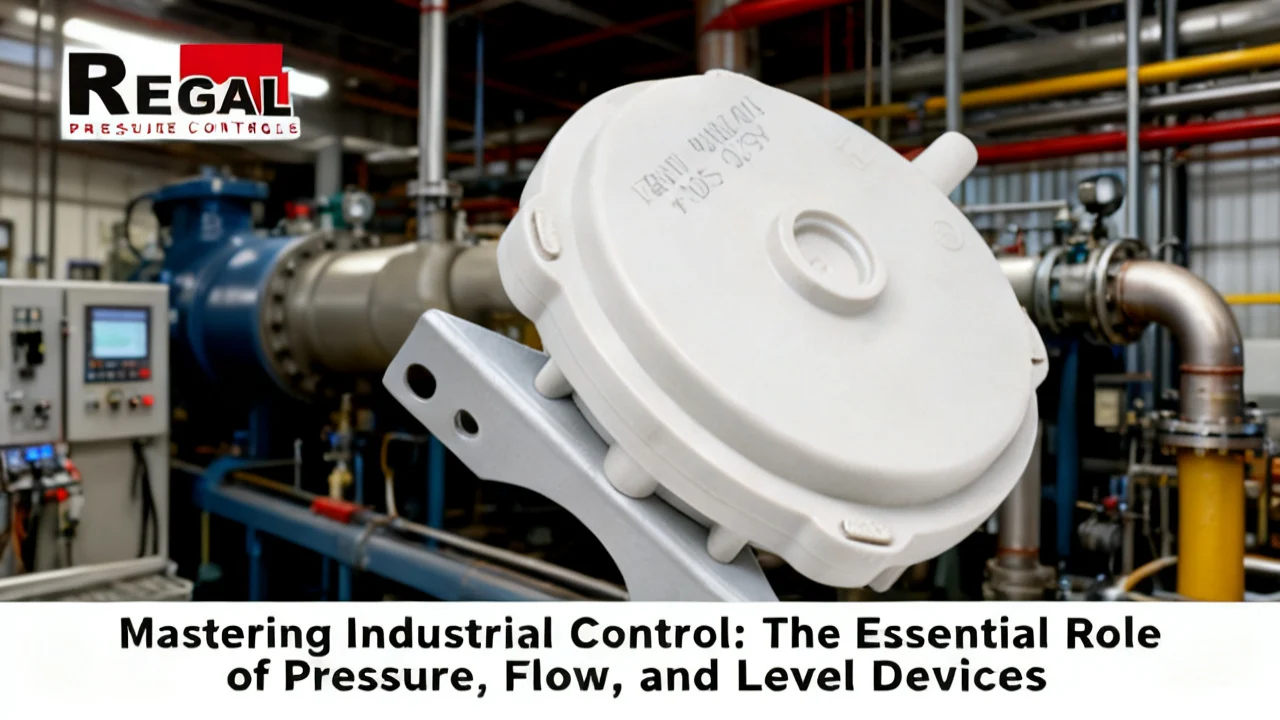
In the complex world of industrial operations, precision, safety, and efficiency are not merely goals—they are non-negotiable requirements. From manufacturing plants to water treatment facilities, the seamless functioning of machinery and processes hinges on the accurate monitoring and control of critical parameters like pressure, flow, and liquid levels. This is where a suite of specialized devices—pressure switches, level sensors, flow sensors, and safety relief valves—play an indispensable role, acting as the silent guardians of operational excellence.
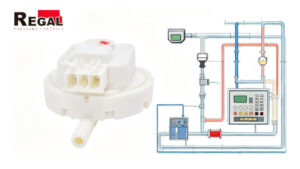
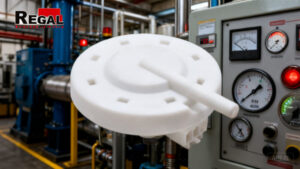
Pressure switches are fundamental components designed to monitor the pressure within a system and trigger an electrical switch when a predetermined pressure point is reached. This simple yet critical function allows for automated control, safety interlocks, and alarm activation, preventing costly damage and ensuring smooth operations.
- Air Pressure Switches: Widely utilized in pneumatic systems, HVAC applications, and air compressors, air pressure switches are vital for maintaining optimal air pressure levels. They can activate or deactivate compressors, control dampers, or signal an alarm if pressure deviates from safe operating limits, thereby protecting equipment and ensuring consistent performance.
- Water Pressure Switches: Essential for water pumps, irrigation systems, and water treatment plants, water pressure switches ensure consistent water supply and protect pumps from dry running or excessive pressure. They automatically turn pumps on or off based on demand, optimizing energy consumption and extending equipment lifespan.
The reliability of these devices directly impacts system uptime and maintenance costs, making their selection and proper calibration paramount.
Mastering Liquid Level Control: Switches and Sensors
Managing liquid levels accurately is crucial in countless industrial applications, from chemical processing to wastewater management. Both water level switches and water level sensors provide vital data, albeit with different functionalities.
- Water Level Switches: These devices provide discrete (on/off) control based on a specific liquid level. They are perfect for applications requiring simple activation or deactivation, such as preventing tanks from overflowing, protecting pumps from dry running in sumps, or maintaining a specific level in a boiler. Their robust design and straightforward operation make them a go-to for many industrial settings.
- Water Level Sensors: Offering continuous measurement, water level sensors provide real-time data on the exact liquid level within a container. This analog or digital output allows for more sophisticated process control, trend analysis, and predictive maintenance. Applications include monitoring reservoir levels, precise chemical dosing, and inventory management in large storage tanks. The choice between a switch and a sensor depends on the level of precision and control required for the specific application.
Flow Sensors: Ensuring Optimal Throughput and Efficiency
The ability to accurately measure and monitor the flow of liquids and gases is critical for process control, quality assurance, and resource management. Flow sensors are the eyes and ears of pipelines, providing essential data for optimizing operations.
From detecting leaks in a critical pipeline to ensuring the correct flow rate for a chemical reaction, flow sensors are indispensable. They help prevent wastage, optimize energy consumption by ensuring pumps and compressors operate at peak efficiency, and maintain product consistency. Different types of flow sensors, such as paddle wheel, thermal, or ultrasonic, are employed based on the fluid characteristics, pipe size, and required accuracy, each offering unique advantages for specific industrial challenges.
Safety Relief Valves: The Ultimate Guardians of Pressure Safety
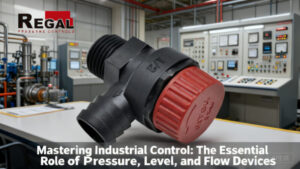
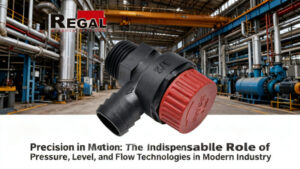
While control devices manage normal operations, safety relief valves stand as the last line of defense against catastrophic overpressure events. These mechanical devices are designed to automatically open and discharge excess pressure when a system’s internal pressure exceeds a predetermined set point, thereby protecting equipment, pipelines, and, most importantly, personnel.
Safety relief valves are mandated in many industrial codes and standards due to their critical role in preventing explosions, ruptures, and other dangerous failures. Their proper selection, sizing, installation, and regular maintenance are not just best practices but legal and ethical obligations in any high-pressure industrial environment. They are non-negotiable components in boilers, pressure vessels, pipelines, and chemical reactors, ensuring compliance and operational integrity.
The Foundation of Reliability: Quality Parts
The performance and longevity of all these critical control and safety devices—pressure switches, level sensors, flow sensors, and safety relief valves—are intrinsically linked to the quality of their constituent parts. Investing in high-quality components and replacement parts is not an expense but a strategic investment that yields significant returns in terms of:
- Enhanced Reliability: Fewer failures, reduced downtime.
- Extended Lifespan: Lower replacement frequency, reduced capital expenditure.
- Improved Accuracy: More precise control, better process outcomes.
- Greater Safety: Reliable operation of safety-critical devices.
- Regulatory Compliance: Meeting industry standards and avoiding penalties.
Inferior parts can lead to premature failure, inaccurate readings, and compromised safety, ultimately costing far more in the long run through lost production, repairs, and potential safety incidents.
Conclusion: A Holistic Approach to Industrial Control
The ecosystem of industrial control and safety is a finely tuned machine where each component plays a vital role. Pressure switches, water level switches, water level sensors, flow sensors, and safety relief valves are not isolated units but interconnected elements that collectively ensure the efficient, safe, and reliable operation of complex industrial processes. By understanding their individual functions and the critical importance of high-quality parts, businesses can make informed decisions that safeguard their assets, optimize their operations, and ensure a safer working environment. Strategic investment in these essential devices and their reliable components is the cornerstone of robust industrial performance.