In the intricate world of industrial operations, precision, efficiency, and safety are not mere buzzwords—they are fundamental pillars that dictate success. At the heart of achieving these objectives lies a sophisticated array of control components: pressure switches, level sensors, flow sensors, and safety relief valves. These devices, often overlooked, are the silent sentinels that monitor, regulate, and protect critical processes across countless sectors, from manufacturing and HVAC to water treatment and oil & gas.
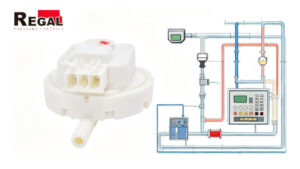
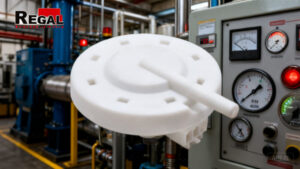
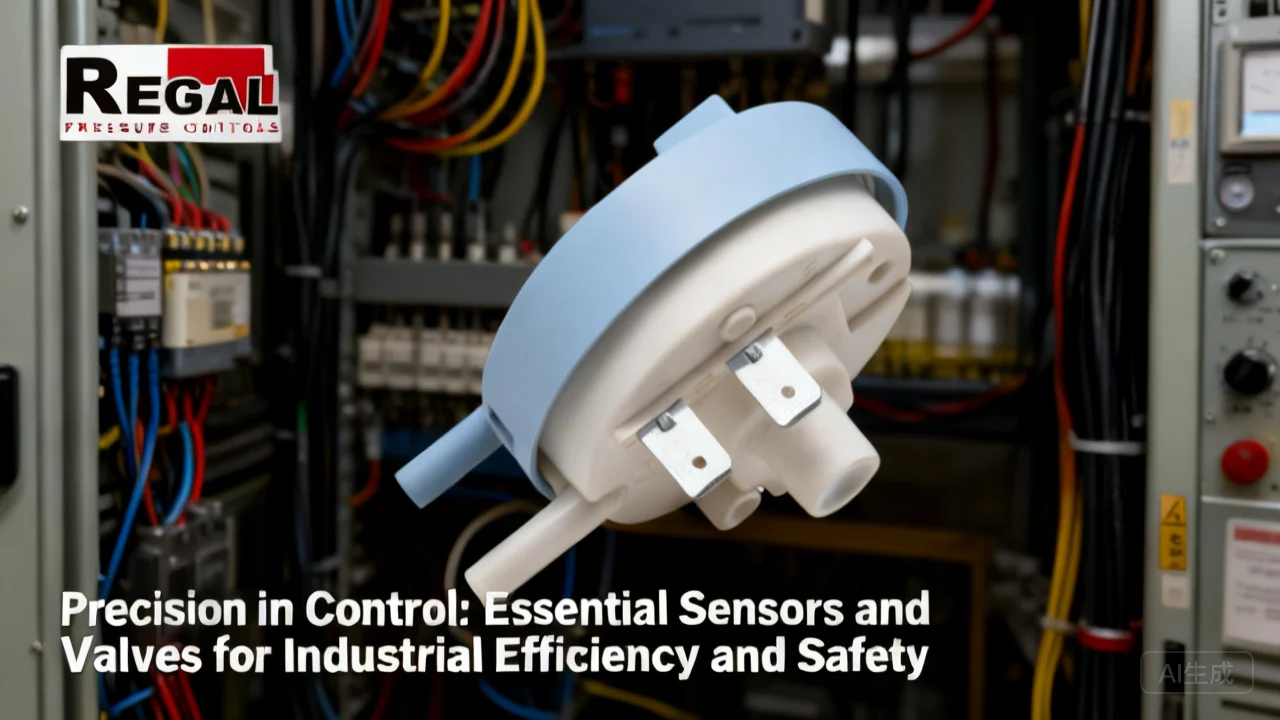
Pressure switches are electromechanical devices designed to monitor and respond to changes in fluid or gas pressure within a system. When the pressure reaches a predetermined set point, the switch activates or deactivates an electrical circuit, triggering an action such as starting a pump, shutting down a compressor, or signaling an alarm. Their robust design and reliable operation make them indispensable for maintaining system integrity and preventing costly damage.
Air Pressure Switches: Ensuring Atmospheric Balance
Specifically engineered for gaseous media, air pressure switches are vital in applications ranging from industrial air compressors and vacuum systems to HVAC units and pneumatic controls. They ensure that air pressure remains within safe and operational limits, preventing over-pressurization that could damage equipment or under-pressurization that could impair performance. Their role is critical in maintaining the efficiency and longevity of air-driven machinery.
Water Pressure Switches: Managing Liquid Dynamics
Similar in principle but designed for liquid applications, water pressure switches are ubiquitous in pumping systems, irrigation networks, and water treatment facilities. They control pump operation based on demand, ensuring consistent water supply and preventing dry-running that could damage pumps. In residential and commercial buildings, they maintain water pressure for optimal flow and system performance, adapting to varying usage patterns.
Monitoring the Unseen: Level and Flow Control
Beyond pressure, understanding and controlling the levels and flow rates of liquids and gases is paramount for process optimization and resource management.
Water Level Switches and Sensors: Precision in Containment
Water level switches provide point-level detection, signaling when a liquid reaches a specific high or low threshold. These are crucial for preventing overflows in tanks, ensuring minimum levels in sumps, or automating pump cycles in reservoirs. Water level sensors, on the other hand, offer continuous measurement, providing real-time data on liquid depth. This continuous feedback is invaluable for inventory management, process control in chemical reactors, and monitoring water resources in environmental applications. Both types play a critical role in preventing material waste and ensuring operational continuity.
Flow Sensors: The Pulse of the Pipeline
Flow sensors measure the rate at which a fluid or gas moves through a pipe or channel. This data is essential for a multitude of industrial processes, including precise dosing in chemical manufacturing, monitoring coolant flow in machinery, or optimizing irrigation systems. By accurately measuring flow, industries can ensure product quality, prevent inefficient resource consumption, and detect anomalies that might indicate leaks or blockages, thereby enhancing both efficiency and safety across the entire production chain.
The Last Line of Defense: Safety Relief Valves
While sensors and switches maintain operational parameters, safety relief valves stand as the ultimate safeguard against catastrophic overpressure events. These mechanical devices are designed to automatically open and discharge excess fluid or gas when the system pressure exceeds a predetermined set point, thereby protecting pressure vessels, boilers, pipelines, and other equipment from rupture or explosion. Once the pressure returns to a safe level, the valve automatically recloses.
The importance of safety relief valves cannot be overstated. They are non-negotiable components in any pressurized system, mandated by strict industry regulations and safety standards. Regular inspection, testing, and maintenance of these valves are critical to ensure they operate correctly when called upon, providing an essential layer of protection for personnel, assets, and the environment.
The Unsung Heroes: Quality Parts and Components
The performance, reliability, and longevity of any industrial control system are only as good as the sum of its parts. Utilizing high-quality components—from the sensor element itself to the housing, seals, and connecting hardware—is not merely a recommendation; it is an imperative. Substandard parts can lead to inaccurate readings, premature failures, increased downtime, and, most critically, compromised safety.
Investing in genuine, durable parts ensures that your pressure switches, level sensors, flow sensors, and safety relief valves perform consistently under demanding industrial conditions. This also extends to replacement parts and calibration services. Regular calibration ensures accuracy over time, while readily available, high-quality replacement parts minimize downtime during maintenance or unexpected failures, contributing significantly to a robust and resilient operational infrastructure.
Strategic Selection: Choosing the Right Components for Your Application
Given the diversity and critical nature of these components, strategic selection is paramount. When specifying pressure switches, level sensors, flow sensors, or safety relief valves, several factors must be carefully considered:
- Media Type: Is it air, water, oil, corrosive chemicals, or steam? This dictates material compatibility.
- Operating Range: What are the minimum and maximum pressure, level, or flow rates?
- Temperature: What are the ambient and process temperatures?
- Environment: Is the application exposed to dust, moisture, vibration, or hazardous atmospheres? (e.g., NEMA/IP ratings, ATEX certification).
- Accuracy and Repeatability: How precise do the measurements or switching points need to be?
- Connection Type: Threaded, flanged, hygienic, etc.
- Output Signal: Electrical (analog, digital), pneumatic, or mechanical.
- Regulatory Compliance: Does the component meet industry-specific standards (e.g., ASME, PED)?
Consulting with experienced suppliers and engineers can help navigate these complexities, ensuring that the chosen components are perfectly matched to the specific demands of your industrial process, thereby maximizing efficiency, reliability, and safety.
Conclusion: The Backbone of Modern Industry
Pressure switches, level sensors, flow sensors, and safety relief valves are far more than mere accessories; they are the technological backbone of modern industrial automation and safety. Their precise operation enables industries to optimize resource utilization, maintain stringent quality controls, prevent equipment damage, and, most importantly, safeguard human lives. By understanding their functions, appreciating the importance of quality, and making informed selection decisions, businesses can build more resilient, efficient, and secure operational environments, paving the way for sustained growth and innovation.