Introduction
In the intricate world of industrial operations, precision, reliability, and safety are not mere buzzwords but foundational pillars. From manufacturing plants to water treatment facilities, the efficient and secure management of fluids and gases is paramount. This necessitates the deployment of highly specialized devices designed to monitor, control, and protect critical processes. This article delves into the indispensable roles played by pressure switches, water level switches and sensors, flow sensors, and safety relief valves – components that collectively ensure operational integrity and safeguard assets.
The Ubiquity of Pressure Switches
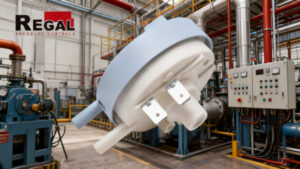
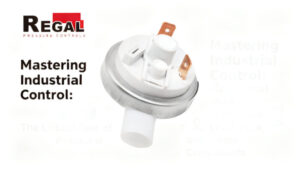
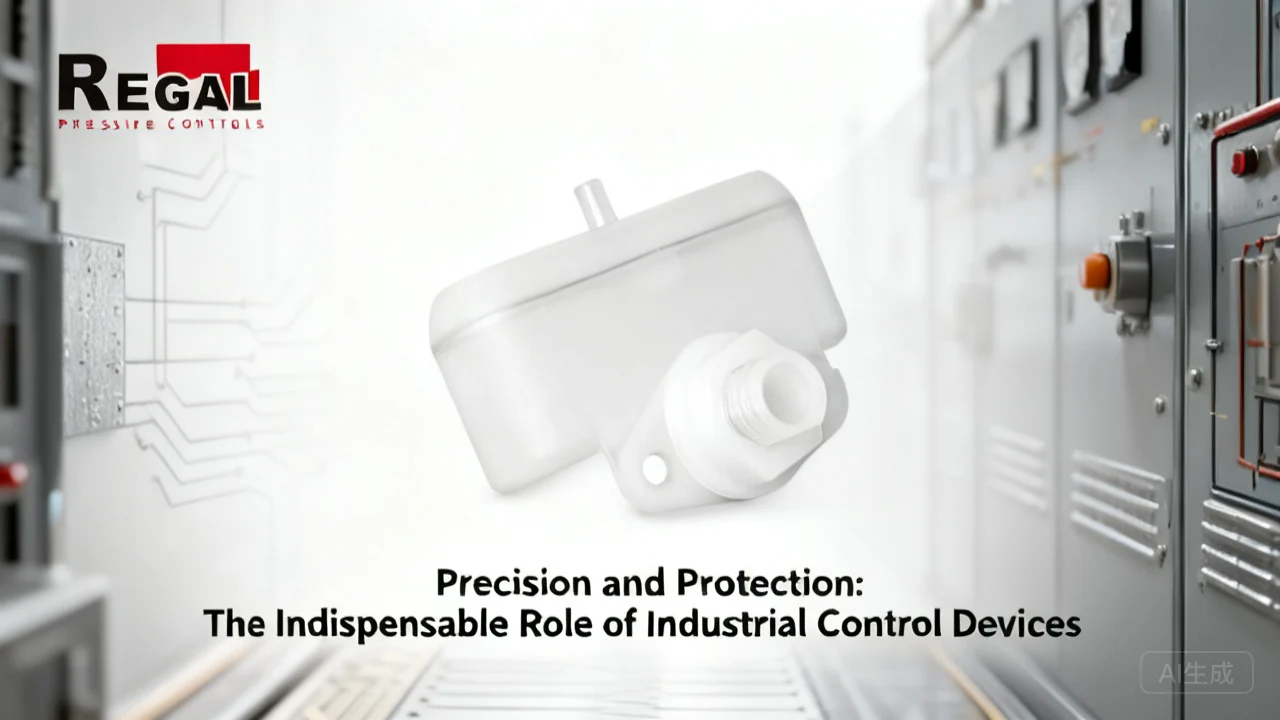
Pressure switches are fundamental control devices, acting as vigilant sentinels over gas and liquid pressures within a system. Whether it’s an Air Pressure Switch regulating compressor output or a Water Pressure Switch preventing over-pressurization in a plumbing system, their function is simple yet critical: to activate or deactivate an electrical circuit when a predefined pressure threshold is reached. These devices are ubiquitous in HVAC systems, pump control, industrial machinery, and pneumatic circuits. Their diverse types, including gauge, differential, and vacuum switches, cater to specific application needs, demanding careful consideration of factors like set point accuracy, hysteresis, media compatibility, and environmental robustness. Proper selection ensures not only operational efficiency but also prevents costly equipment damage and process disruptions.
Mastering Liquid Levels with Sensors and Switches
Managing liquid levels is crucial across countless industries, from chemical processing to agricultural irrigation. Here, Water Level Switches and Water Level Sensors offer distinct but complementary solutions. A Water Level Switch typically provides a simple on/off signal, triggering pumps to fill or empty tanks, or activating alarms when levels are too high or low. These are cost-effective for basic control. In contrast, Water Level Sensors provide continuous, analog or digital output, allowing for precise measurement and monitoring of liquid depths. Technologies range from float switches for simple point detection to more advanced ultrasonic, hydrostatic, and capacitive sensors that offer non-contact or highly accurate continuous readings. Implementing these devices prevents costly overflows, protects pumps from dry-running, optimizes chemical dosing, and ensures consistent product quality in various industrial vessels and reservoirs.
The Dynamics of Flow Control
The accurate measurement and control of fluid flow are vital for process efficiency, quality assurance, and safety in countless industrial applications. Flow Sensors are engineered to quantify the rate at which liquids or gases move through a pipe or channel. From monitoring cooling water in power plants to ensuring precise ingredient mixing in food and beverage production, flow sensors provide critical data. Various technologies are employed, including paddle wheel sensors for basic flow detection, turbine meters for precise volumetric flow, electromagnetic flowmeters for conductive liquids, and ultrasonic sensors for non-invasive measurement. By continuously monitoring flow rates, industries can optimize resource consumption, detect leaks early, ensure correct dosing, and maintain specific process parameters, leading to significant operational savings and improved product consistency.
Ensuring Safety with Relief Valves
Perhaps no component is more critical for system integrity and personnel safety than the Safety Relief Valve. In any pressurized system, the risk of over-pressurization due to equipment malfunction, thermal expansion, or process upset is ever-present. A Safety Relief Valve (or Pressure Relief Valve) is a fail-safe device designed to automatically open and discharge fluid when the internal pressure exceeds a predetermined, safe limit, thereby preventing catastrophic equipment failure, explosions, and injury. These valves are mandatory in boilers, pressure vessels, pipelines, and chemical reactors, complying with stringent industry standards and regulations. Regular inspection, testing, and maintenance, including the availability of genuine replacement Parts, are paramount to ensure these critical safety devices function flawlessly when called upon, acting as the last line of defense against hazardous conditions.
The Synergy of Integrated Systems
While each of these devices – pressure switches, level sensors, flow sensors, and safety relief valves – performs a specific, vital function, their true power is unleashed when integrated into a cohesive control system. Modern industrial automation relies on the data gathered from these sensors and the control actions initiated by switches and valves to achieve optimal performance. An integrated approach enables predictive maintenance, where anomalies detected by sensors can trigger alerts before a major failure occurs. It facilitates energy efficiency by optimizing pump cycles based on actual demand and ensures consistent product quality through precise process parameter control. Moreover, the combined vigilance of these components significantly enhances overall operational safety, creating robust and resilient industrial environments capable of responding dynamically to changing conditions.
Conclusion
In an era demanding ever-increasing efficiency, safety, and reliability, the role of specialized industrial control devices cannot be overstated. From the humble pressure switch to the life-saving safety relief valve, each component contributes significantly to the seamless and secure operation of complex industrial processes. Investing in high-quality devices, understanding their specific applications, and ensuring proper maintenance are not just best practices – they are imperatives for any B2B enterprise striving for operational excellence and long-term success in today’s competitive landscape. By leveraging these technologies effectively, businesses can achieve unparalleled levels of control, protection, and productivity.