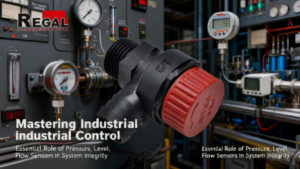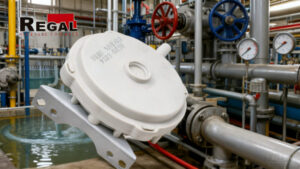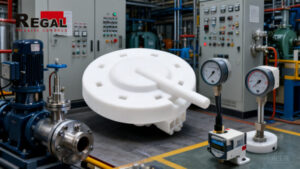
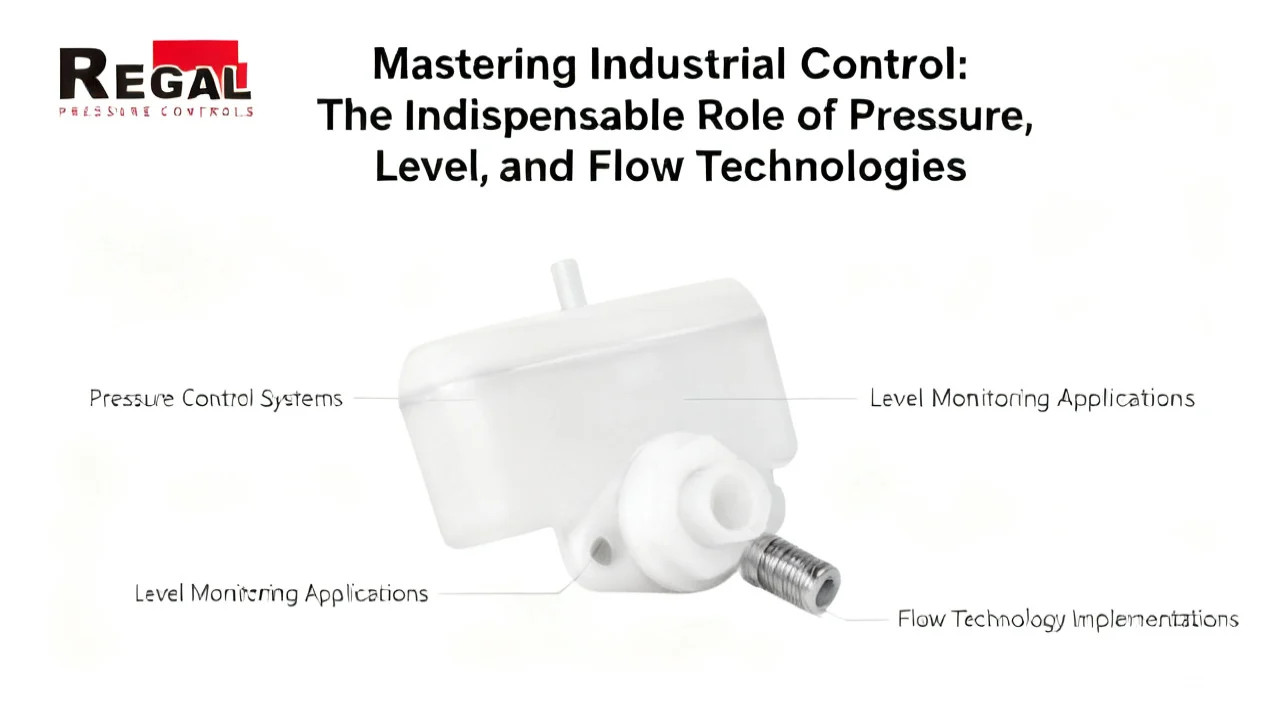
In the complex world of industrial operations, precision, reliability, and safety are not mere buzzwords; they are fundamental pillars of success. From manufacturing plants to water treatment facilities, the efficient management of fluids and gases is paramount. This intricate dance of control is orchestrated by a suite of critical components: pressure switches, level sensors, flow sensors, and safety relief valves. Understanding their functions and strategic deployment is key to optimizing performance, ensuring compliance, and safeguarding assets.
Pressure switches are electromechanical devices designed to monitor and respond to changes in fluid or gas pressure within a system. They act as guardians, triggering an action (like turning a pump on or off, or activating an alarm) when pressure crosses a predetermined threshold. Their simplicity belies their profound importance in maintaining system integrity and preventing catastrophic failures.
Air Pressure Switches
Air pressure switches are ubiquitous in systems involving compressed air, vacuum, or non-corrosive gases. They are vital in HVAC systems, pneumatic machinery, air compressors, and dust collection systems. For instance, in an air compressor, an air pressure switch ensures the compressor only runs when tank pressure drops below a set point, conserving energy and preventing over-pressurization. In HVAC, they monitor duct pressure to ensure proper airflow and filter status.
Water Pressure Switches
Similarly, water pressure switches are indispensable in hydraulic systems, pump control, irrigation, and water treatment. They regulate the pressure in water lines, activating or deactivating pumps to maintain a desired range. This prevents dry-running of pumps, protects against overpressure in pipes, and ensures consistent water supply in residential, commercial, and industrial applications. Their robust design allows them to withstand harsh conditions, making them a reliable choice for critical water management tasks.
Precision in Containment: Water Level Switches & Sensors
Managing fluid levels in tanks, reservoirs, and process vessels is crucial for preventing overflows, ensuring adequate supply, and optimizing chemical dosing. This is where water level switches and sensors play their vital role, offering both discrete and continuous measurement capabilities.
Water Level Switches
Water level switches provide simple on/off control based on a specific fluid level. They are often used for high-level alarms to prevent spills, low-level cutoffs to protect pumps from dry-running, or to automatically refill tanks. Common types include float switches, which mechanically activate based on buoyancy, and conductivity switches, which detect the presence of water between electrodes. Their reliability and straightforward operation make them ideal for basic level control applications in sumps, cooling towers, and storage tanks.
Water Level Sensors
For more nuanced control and continuous monitoring, water level sensors are employed. These devices provide an analog or digital output that corresponds to the exact fluid level, allowing for precise inventory management, process optimization, and sophisticated automation. Technologies range from ultrasonic sensors, which use sound waves to measure distance, to hydrostatic pressure sensors, which calculate level based on the pressure exerted by the fluid column. These sensors are critical in chemical processing, wastewater treatment, and large-scale water storage, offering data that can be integrated into SCADA systems for real-time insights and predictive maintenance.
Monitoring the Flow: Flow Sensors
The ability to accurately measure and monitor the flow rate of liquids and gases is fundamental to process control, resource management, and safety. Flow sensors are the eyes and ears of pipelines, ensuring that fluids move at the correct velocity and volume.
Flow sensors detect the movement of fluids, providing data on flow rate, totalized flow, and even direction. They are integral to chemical dosing systems, cooling circuits, irrigation networks, and virtually any process where fluid transport is critical. By monitoring flow, industries can detect leaks early, optimize energy consumption in pumping systems, ensure correct ingredient ratios in mixing processes, and maintain consistent product quality. Different principles, such as electromagnetic, ultrasonic, turbine, and paddlewheel, are employed depending on the fluid properties, pipe size, and required accuracy, offering a versatile range of solutions for diverse industrial needs.
The Ultimate Safety Net: Safety Relief Valves
While switches and sensors regulate and monitor, safety relief valves stand as the last line of defense against catastrophic overpressure events. These mechanical devices are designed to automatically open and discharge fluid when the internal pressure of a vessel or system exceeds a predetermined safe limit, thereby preventing equipment damage, explosions, and injury to personnel.
Safety relief valves are non-negotiable components in pressure vessels, boilers, pipelines, and chemical reactors. They operate on a simple principle: a spring-loaded disc holds against system pressure until that pressure overcomes the spring force, causing the valve to open. Once pressure drops back to a safe level, the valve reseats. The proper selection, sizing, and maintenance of safety relief valves are governed by stringent industry standards and regulations, underscoring their critical role in industrial safety protocols. Investing in high-quality, certified safety relief valves is not just a regulatory requirement; it is an investment in the integrity of an entire operation and the well-being of its workforce.
The Unsung Heroes: Quality Parts and Maintenance
The effectiveness of all these critical components – pressure switches, level sensors, flow sensors, and safety relief valves – hinges on the quality of their manufacture and the diligence of their maintenance. Using genuine, high-quality parts ensures longevity, accuracy, and reliability. Regular calibration, inspection, and preventative maintenance schedules are essential to ensure these devices operate correctly when needed most. Neglecting these aspects can lead to costly downtime, product quality issues, regulatory fines, and, most critically, safety hazards.
Conclusion
The integrated deployment of advanced pressure, level, and flow technologies forms the backbone of modern industrial automation and safety. By providing precise control, continuous monitoring, and fail-safe mechanisms, these components empower businesses to operate more efficiently, sustainably, and securely. For any industrial enterprise, understanding and investing in these indispensable technologies is not merely an operational choice; it is a strategic imperative for long-term success and resilience.