Industrial operations, from manufacturing to water treatment, rely heavily on precision, safety, and efficiency. At the heart of achieving these objectives lies a sophisticated array of control and safety devices. These components, often unseen but always critical, monitor and regulate fundamental parameters like pressure, level, and flow. Understanding their distinct functions and integrated role is paramount for optimizing system performance, preventing costly downtime, and ensuring the safety of personnel and equipment. This article delves into the essential world of pressure switches, level sensors, flow sensors, and safety relief valves, highlighting their significance in modern industrial applications.
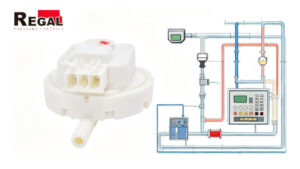
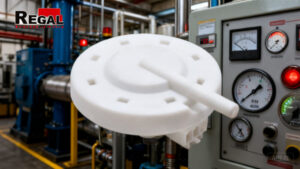
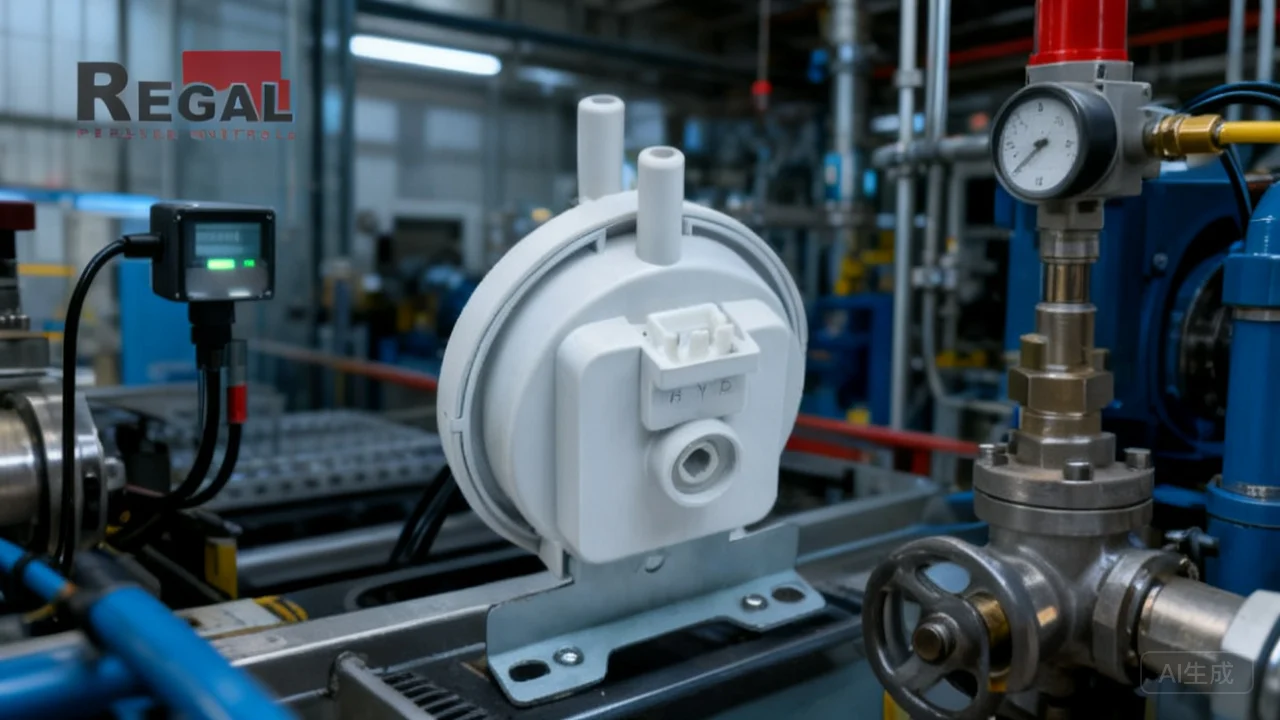
Pressure switches are fundamental electromechanical devices designed to detect and respond to changes in fluid or gas pressure. They operate by opening or closing an electrical contact when a pre-set pressure threshold is reached. This simple yet critical function makes them indispensable across a vast spectrum of industrial applications.
Air Pressure Switches
Commonly found in HVAC systems, air compressors, and pneumatic machinery, air pressure switches monitor air pressure to ensure optimal operation, prevent over-pressurization, or detect low-pressure conditions that could indicate a leak or system malfunction. For instance, in an air compressor, an air pressure switch might activate the motor when pressure drops below a certain point and deactivate it when the desired pressure is achieved, optimizing energy consumption and extending equipment life.
Water Pressure Switches
Essential for pump control in water supply systems, irrigation, and industrial cooling, water pressure switches manage the flow of water by switching pumps on or off based on demand. They prevent dry running of pumps, maintain consistent water pressure in a system, and protect against over-pressurization, ensuring reliable water delivery and system integrity. The precise calibration and robust construction of pressure switches are vital, as even minor deviations can impact system efficiency and safety.
Guarding Against Extremes: Water Level Switches and Sensors
Managing liquid levels is crucial in countless industrial processes, from chemical processing to wastewater treatment. Both water level switches and water level sensors provide vital data, albeit with different levels of detail.
Water Level Switches
These are typically binary devices, providing an ON/OFF signal when a specific liquid level is reached. Often employing float mechanisms, conductivity probes, or optical sensors, they are ideal for simple control tasks such as activating or deactivating pumps to prevent tanks from overflowing or running dry. In sumps, for example, a water level switch will automatically start a pump to remove accumulated water, preventing flooding.
Water Level Sensors
Offering a more sophisticated approach, water level sensors provide continuous measurement of liquid levels. Utilizing various technologies like ultrasonic, hydrostatic (pressure-based), radar, or guided wave radar, these sensors deliver real-time data that can be fed into a PLC (Programmable Logic Controller) or SCADA system. This continuous data enables precise process control, inventory management, and early detection of anomalies. For instance, in a large storage tank, a water level sensor can monitor the exact volume of liquid, optimizing filling and dispensing operations and providing critical data for process automation. The choice between a switch and a sensor depends on the required level of control and monitoring detail.
Monitoring the Unseen: Flow Sensors
The movement of fluids and gases within pipelines is a critical parameter in many industrial processes. Flow sensors are instruments designed to measure the rate of fluid flow, providing essential data for process control, efficiency monitoring, and safety.
Diverse Technologies for Flow Measurement
Flow sensors come in various types, each suited to different applications and fluid characteristics. Paddle wheel sensors are common for water and low-viscosity liquids, offering cost-effective flow rate indication. Magnetic flow meters are ideal for conductive liquids, offering high accuracy with no moving parts. Ultrasonic flow meters can measure flow non-invasively, making them suitable for corrosive or hygienic applications. Thermal mass flow meters excel at measuring gas flow, compensating for temperature and pressure variations.
Applications of Flow Sensors
From monitoring cooling water in power plants to ensuring precise chemical dosing in manufacturing, flow sensors play a pivotal role. They can detect leaks, optimize pump performance, ensure correct mixing ratios, and provide critical data for energy management. Accurate flow measurement is often directly linked to product quality and operational efficiency.
The Last Line of Defense: Safety Relief Valves
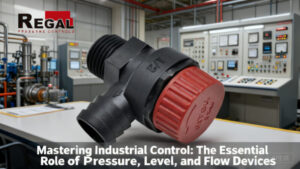
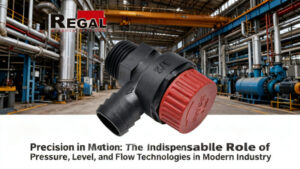
While switches and sensors are about control and monitoring, safety relief valves stand as the ultimate guardian against catastrophic failure due to overpressure. These mechanical devices are designed to automatically open and discharge fluid when the pressure inside a vessel or system exceeds a predetermined safe limit, then re-close once the pressure returns to a safe level.
Critical Function of Safety Relief Valves
Unlike control valves that regulate pressure during normal operation, safety relief valves are purely protective devices. They are mandated by various industry standards and regulations (e.g., ASME Boiler and Pressure Vessel Code) for virtually all pressure vessels, boilers, and pipelines. Their failure can lead to explosions, structural damage, and severe injury or loss of life.
Types and Materials
Safety relief valves are selected based on the fluid type, operating pressure, temperature, and specific application. They are available in various designs, including conventional spring-loaded, balanced bellows, and pilot-operated valves, and are constructed from materials resistant to the specific process media. Regular inspection, testing, and maintenance of safety relief valves are not just good practice but a legal and ethical imperative to ensure continuous operational safety.
The Importance of Quality Parts and Integration
The effectiveness of any industrial system is only as good as its weakest link. This underscores the critical importance of sourcing high-quality Parts for all these control and safety devices. Inferior components can lead to premature failure, inaccurate readings, and compromised safety. Investing in robust, reliable parts from reputable manufacturers ensures longevity, accuracy, and consistent performance.
Furthermore, these individual components rarely operate in isolation. Their true power is realized through seamless integration into a cohesive control system. Modern industrial automation relies on these switches, sensors, and valves communicating effectively with PLCs, DCS (Distributed Control Systems), and SCADA systems to provide comprehensive monitoring, automated control, and predictive maintenance capabilities. This holistic approach to system design and component selection is key to achieving maximum operational efficiency and safety.
Conclusion
In the complex landscape of industrial operations, pressure switches, water level switches, water level sensors, flow sensors, and safety relief valves are not merely accessories; they are foundational elements of control, efficiency, and safety. Each device plays a unique, indispensable role, from maintaining optimal operating conditions to preventing catastrophic failures. By understanding their functions, selecting the appropriate technology, and ensuring regular maintenance with quality parts, industries can significantly enhance their operational reliability, comply with stringent safety regulations, and achieve sustainable performance. Investing in these critical components is an investment in the future resilience and profitability of any industrial enterprise.