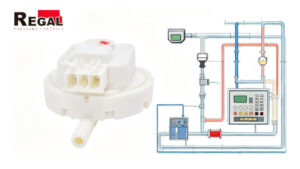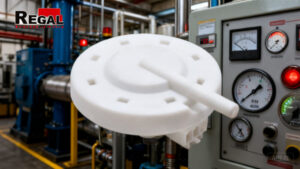
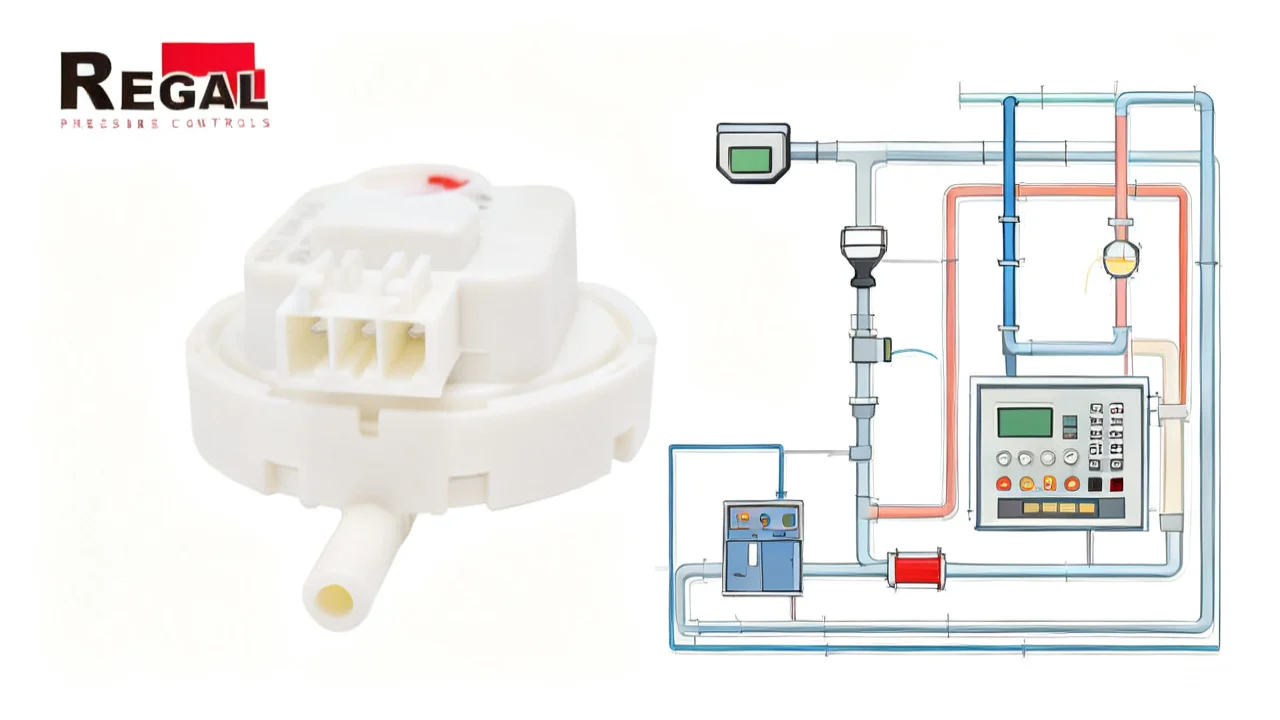
At the heart of many industrial processes lies the critical need to monitor and respond to changes in pressure with unwavering accuracy. Pressure switches, encompassing both air pressure switches and water pressure switches, are electromechanical devices meticulously engineered to activate or deactivate an electrical circuit when a predefined pressure threshold is reached. An air pressure switch, for instance, might precisely control a compressor, ensuring it maintains optimal output and preventing energy waste, or it could be integral to an HVAC system, preventing hazardous over-pressurization. Similarly, a water pressure switch is indispensable in pump control applications, diligently preventing damaging dry-running conditions or dangerous over-pressurization in critical water lines.
- Applications: These versatile devices are found in HVAC systems, pneumatic and hydraulic circuits, sophisticated pump control mechanisms, industrial boilers, and sensitive chemical processing plants.
- Benefits: Their deployment leads to significantly enhanced safety by preventing system overloads and catastrophic failures, improved energy efficiency through optimized pump and compressor cycles, and precise process control that ensures consistent product quality and operational reliability.
Ensuring Fluid Management: Water Level Switches and Sensors
Managing liquid levels with precision is a critical task across countless industries, spanning from municipal water treatment plants to diverse food and beverage production facilities. Water level switches provide discrete ON/OFF signals, activating when a specific liquid level is reached. This makes them ideal for initiating pump operations, triggering critical alarms, or preventing costly and environmentally damaging tank overflows. For applications demanding more granular data and continuous oversight, water level sensors offer real-time, continuous measurement, providing invaluable insights into liquid depth and volume.
- Types: The market offers a range of technologies, including traditional float switches (mechanical), advanced ultrasonic sensors (non-contact), robust hydrostatic sensors (pressure-based), and precise capacitive sensors (detecting dielectric changes).
- Applications: Their utility extends to storage tanks, sumps, reservoirs, industrial boilers, complex wastewater treatment systems, and precise chemical mixing processes.
- Importance: Their correct implementation is crucial for preventing costly spills, protecting expensive pumps from damaging cavitation (dry-running), optimizing chemical dosing for efficiency and safety, and ensuring stringent compliance with environmental regulations.
Monitoring Dynamic Flow: Flow Sensors
The intricate movement of fluids and gases through extensive pipeline networks is often a dynamic and complex process that demands constant vigilance and accurate measurement. Flow sensors are instrumental in precisely measuring the rate of flow, providing essential data for comprehensive process optimization, efficient resource management, and early leak detection. Whether it’s meticulously monitoring cooling water in a power plant to prevent overheating or ensuring precise ingredient delivery in a sensitive pharmaceutical facility, accurate flow measurement is an indispensable component of modern industrial control.
- Types: A variety of technologies are available, including robust paddle wheel sensors, highly accurate turbine flow meters, sensitive thermal mass flow meters, and versatile ultrasonic flow meters. Each type offers distinct advantages depending on the fluid properties, pipe size, flow range, and the required level of accuracy.
- Applications: These sensors are vital in process control, precise batching systems, large-scale irrigation, HVAC systems, sophisticated leak detection networks, and critical fuel consumption monitoring.
- Impact: Their accurate data enables the optimization of energy consumption, ensures unwavering product consistency, aids in identifying system inefficiencies before they escalate, and plays a crucial role in preventing environmental contamination and resource waste.
The Unsung Heroes of Safety: Safety Relief Valves
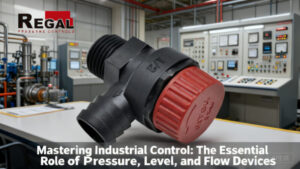
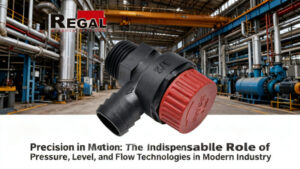
While sensing devices primarily focus on control and meticulous monitoring, safety relief valves stand as the ultimate last line of defense against catastrophic failure in pressurized systems. A safety relief valve is an automatic pressure-relieving device, ingeniously actuated by the static pressure upstream of the valve, and characterized by its rapid opening or "pop" action. Designed to swiftly open when the system pressure exceeds a predetermined, safe set point, these valves quickly and efficiently vent excess pressure, thereby preventing severe equipment damage, devastating explosions, and critical injury to personnel.
- Function: Their fundamental role is to automatically release excess fluid or gas from a system when its internal pressure becomes dangerously high, restoring it to a safe operating range.
- Applications: They are indispensable in critical infrastructure such as industrial boilers, pressure vessels, extensive pipelines, chemical reactors, and high-pressure hydraulic systems.
- Criticality: Their proper functioning is non-negotiable for ensuring stringent compliance with safety regulations, meticulously protecting high-value assets from irreparable damage, and, most importantly, guaranteeing the well-being and safety of operational staff. Regular inspection, testing, and maintenance of these vital parts are not just recommended but are absolute necessities.
The Ecosystem of Quality Parts and Proactive Maintenance
The overall effectiveness, longevity, and reliability of any industrial system are only as robust as its weakest link. Therefore, investing in high-quality parts for all these critical components—from the resilient diaphragms of pressure switches to the precision-engineered seals of safety relief valves—is absolutely paramount. The use of substandard parts can severely compromise accuracy, drastically reduce operational lifespan, and ultimately undermine the fundamental safety and efficiency of the entire industrial operation.
Equally vital is a commitment to proactive maintenance, which includes regular calibration, thorough inspection, and timely replacement of sensors and valves. This rigorous approach ensures continued accuracy, prevents unexpected and costly failures, and significantly extends the operational life of valuable equipment. Understanding the intricate interplay between these components—how a precisely calibrated pressure switch might trigger a pump that is concurrently protected by a robust relief valve, while a sensitive level sensor meticulously monitors the tank’s contents—highlights the unequivocal need for an integrated and holistic approach to system design, implementation, and ongoing upkeep.
Conclusion
In an industrial world relentlessly driven by precision, performance, and paramount safety, the strategic deployment and meticulous maintenance of pressure switches, water level sensors, flow sensors, and safety relief valves are not merely options but non-negotiable imperatives. These sophisticated technologies are far more than just individual components; they are interconnected safeguards and powerful enablers of efficiency, collectively forming the bedrock of reliable, safe, and cost-effective industrial operations. By prioritizing robust sensing and safety solutions, and by ensuring the exclusive use of high-quality, dependable parts, industries can confidently navigate the inherent complexities of fluid and gas management, securing both their invaluable assets and their prosperous future.