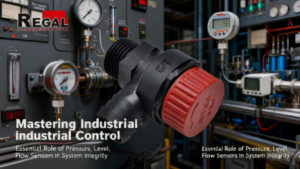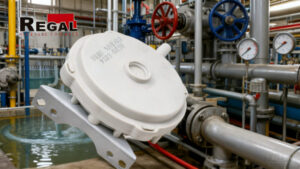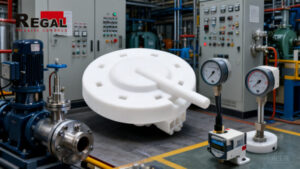
In the complex world of industrial automation and process control, precision, reliability, and safety are not merely buzzwords; they are fundamental pillars. The efficient operation of countless systems, from manufacturing plants to water treatment facilities, hinges on the flawless performance of critical sensing and control components. This article delves into the essential role played by pressure switches, water level sensors, flow sensors, and safety relief valves, exploring their functions, applications, and the underlying importance of quality parts.
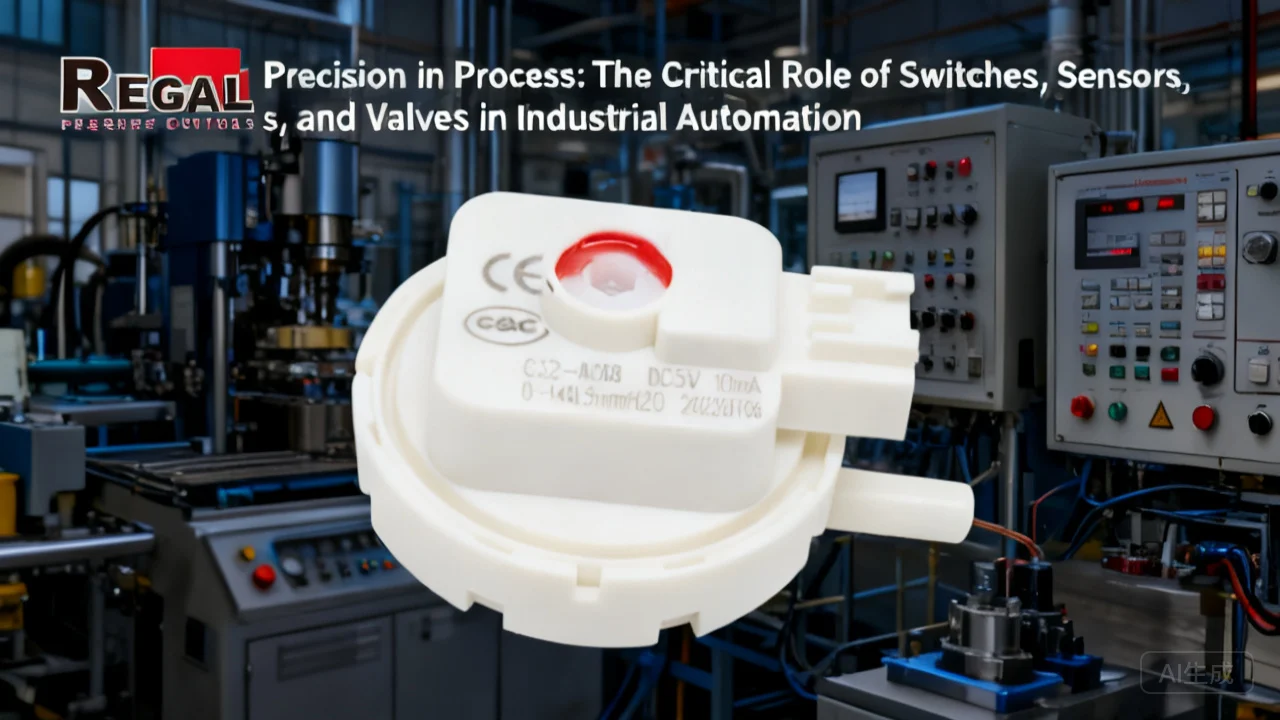
Pressure switches are ubiquitous in industrial settings, acting as crucial guardians that monitor and respond to changes in pressure within a system. They are electromechanical devices designed to open or close an electrical contact when a pre-set pressure threshold is reached, triggering alarms, shutting down equipment, or activating pumps. This makes them indispensable for both operational control and safety across various media.
Air and Water Pressure Switches
Air pressure switches are vital for pneumatic systems, commonly found in air compressors to maintain system pressure, HVAC systems for airflow monitoring, and pneumatic control systems. They often utilize diaphragms or bellows for high sensitivity.
Water pressure switches, built with robust, corrosion-resistant materials, manage liquid media. Their applications include pump control in irrigation and well systems, monitoring pressure in industrial process lines (cooling, hydraulics), and ensuring optimal pressure in water treatment networks. Both types are critical for preventing overpressure or underpressure conditions and ensuring consistent operation.
Keeping Watch: Water Level Switches and Sensors
Managing liquid levels is critical in a vast array of industrial processes. Water level switches and sensors provide the necessary intelligence to prevent overflows, dry running of pumps, or critical process disruptions.
Water Level Switches
These devices provide a discrete ON/OFF signal when a specific liquid level is reached. Common types include Float Switches, which use buoyancy to actuate a switch (e.g., sump pumps, tank control), and Conductive Probes, which detect the presence of a conductive liquid (e.g., boilers, wastewater). They are cost-effective for point-level detection.
Water Level Sensors
Unlike switches, sensors provide continuous measurement of liquid levels. Key technologies include Ultrasonic Sensors (non-contact, high accuracy for various liquids), Hydrostatic Sensors (submersible, measure liquid column pressure), and Radar Sensors (microwave pulses, suitable for challenging environments). Continuous monitoring is essential for inventory management, process optimization, and complex control loops.
The Pulse of the System: Flow Sensors
Monitoring the flow rate of liquids and gases is paramount for process efficiency, quality control, and safety. Flow sensors provide real-time data on media movement, with various types suited for different applications.
Common Types and Applications
- Paddle Wheel Flow Sensors: Cost-effective for water treatment, irrigation, HVAC.
- Thermal Mass Flow Sensors: Excellent for gases and low flow rates by measuring heat absorption.
- Electromagnetic Flowmeters (Magmeters): Highly accurate and non-intrusive for conductive liquids (wastewater, chemicals).
- Ultrasonic Flowmeters: Can be clamp-on or in-line, measuring flow by analyzing sound waves in various liquids.
- Differential Pressure Flowmeters: A robust, traditional method inferring flow from pressure drop across an obstruction.
Accurate flow measurement is critical for precise chemical dosing, managing cooling loops, optimizing fuel consumption, and ensuring product consistency.
The Last Line of Defense: Safety Relief Valves
While switches and sensors provide control and monitoring, safety relief valves stand as the ultimate safeguard against catastrophic system failures due to overpressure. They are passive mechanical devices designed to automatically open and discharge fluid when system pressure exceeds a predetermined safe limit, protecting equipment, personnel, and the environment.
Critical Functionality and Types
Their primary role is Overpressure Protection, preventing rupture of pressure vessels and pipelines, and ensuring Compliance with industry standards (e.g., ASME). Types include:
- Spring-Loaded Relief Valves: The most common, where a spring holds the disc closed until inlet pressure overcomes the spring force.
- Pilot-Operated Relief Valves (PORVs): Use system pressure for sealing, controlled by a small pilot valve, offering greater accuracy and higher capacity for large-scale applications.
Proper selection, sizing, installation, and regular maintenance are non-negotiable for any pressurized system; their failure can lead to severe consequences.
The Foundation of Reliability: Quality Parts
The performance and longevity of all these critical components are intrinsically linked to the quality of their constituent parts. A sensor’s accuracy, a valve’s integrity, or a switch’s responsiveness directly depends on precision engineering and high-grade materials.
Investing in components built with superior parts ensures durability, consistent accuracy, extended operational life, and unwavering safety. Compromising on quality here is a false economy that can lead to costly failures, reduced efficiency, and significant safety risks.
Conclusion
Pressure switches, water level switches and sensors, flow sensors, and safety relief valves are the interconnected nervous system of industrial processes. They provide essential data and control mechanisms to ensure operational efficiency, maintain product quality, and safeguard personnel and assets. Understanding their functions, selecting the right technology, and prioritizing components built with high-quality parts are paramount for excellence in industrial automation and safety.