In the intricate world of industrial operations, the seamless and safe functioning of machinery and processes hinges on a suite of highly specialized control components. From regulating fluid dynamics to preventing catastrophic overpressure, devices such as pressure switches, water level sensors, flow sensors, and safety relief valves are not merely accessories but fundamental guardians of efficiency, safety, and operational integrity. Understanding their individual roles and how they integrate into a cohesive system is paramount for any B2B enterprise aiming for peak performance and compliance.
Pressure Switches: The Sentinels of System Pressure
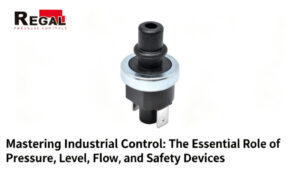
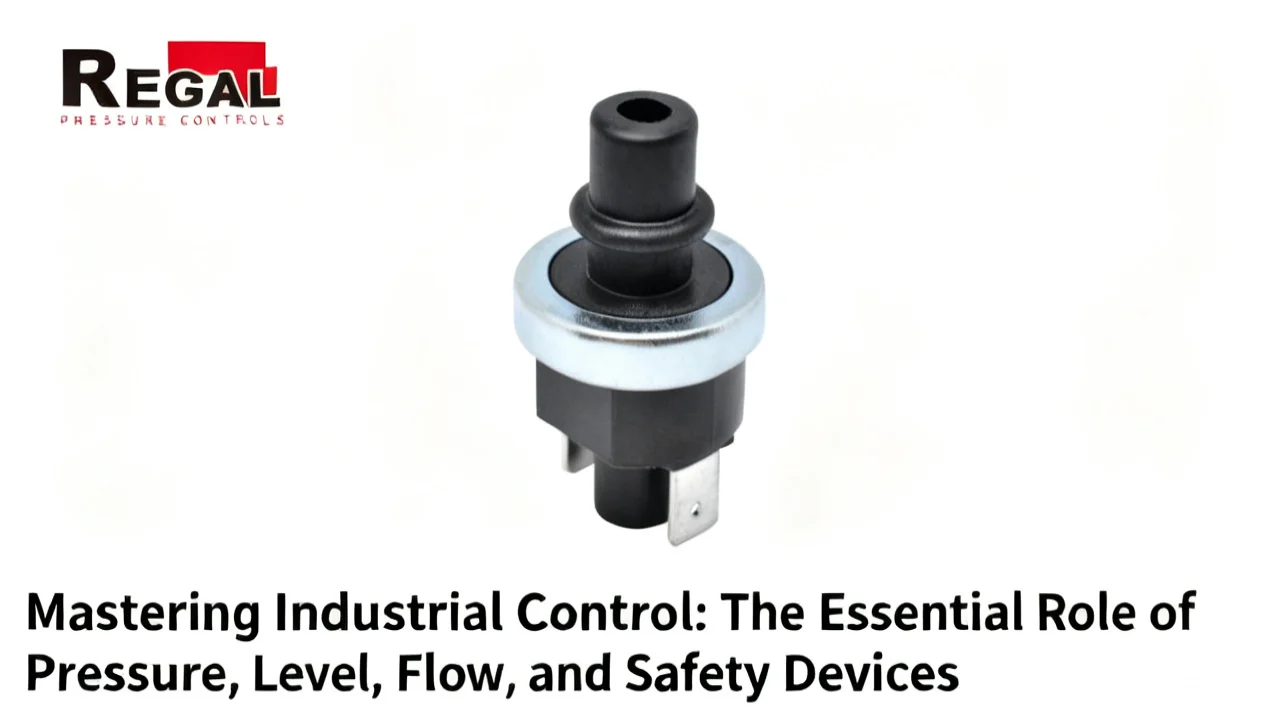
Pressure switches are electromechanical devices designed to monitor and respond to changes in fluid or gas pressure within a system. They act as critical safety and control mechanisms, converting pressure readings into electrical signals that can activate or deactivate other components, such as pumps, compressors, or alarms. Their versatility makes them indispensable across a myriad of applications.
- Air Pressure Switches: Widely used in HVAC systems, pneumatic machinery, air compressors, and vacuum systems, these switches ensure that air pressure remains within specified operational limits. For instance, in an air compressor, an air pressure switch will turn the motor off once the desired pressure is reached and turn it back on when the pressure drops, maintaining a consistent supply.
- Water Pressure Switches: Essential for pump control in water supply systems, irrigation, booster pumps, and fire suppression systems, water pressure switches protect pumps from dry running and ensure adequate water pressure for various applications. They activate pumps when pressure falls below a set point and deactivate them when it rises above, optimizing water delivery and conserving energy.
The accuracy and durability of pressure switches directly impact system reliability, making material selection, set-point precision, and hysteresis crucial considerations.
Water Level Switches & Sensors: Guardians of Liquid Inventories
Managing liquid levels accurately is vital in industries ranging from chemical processing to wastewater treatment. Water level switches and sensors provide real-time data or trigger actions based on predefined liquid levels, preventing overflows, dry running of pumps, and ensuring optimal process conditions.
- Water Level Switches: These are typically point-level detection devices, meaning they detect the presence or absence of liquid at a specific point. Common types include float switches, conductive switches, and optical switches. They are often used to start/stop pumps, activate alarms, or control filling/emptying sequences in tanks, sumps, and reservoirs.
- Water Level Sensors: Offering continuous level measurement, these devices provide a proportional output signal corresponding to the liquid level. Ultrasonic, hydrostatic (pressure-based), and capacitive sensors are popular choices. They are critical for inventory management, process control in boilers, chemical reactors, and wastewater treatment plants, allowing for precise monitoring and automated adjustments.
The choice between a switch and a sensor, as well as the specific sensing technology, depends heavily on the application’s required precision, liquid properties, and environmental conditions.
Flow Sensors: Measuring the Pulse of Fluid Systems
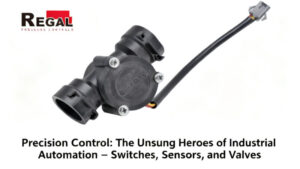
Flow sensors, also known as flow meters, are instruments designed to measure the linear or non-linear velocity of a liquid or gas. Accurate flow measurement is fundamental for process control, quality assurance, and resource management across countless industrial sectors.
From monitoring coolant flow in manufacturing to measuring chemical dosing rates in water treatment, flow sensors provide critical data. Types include:
- Turbine Flow Sensors: Ideal for clean liquids and gases, using a rotating turbine to measure flow.
- Magnetic Flow Sensors (Magmeters): Excellent for conductive liquids, slurries, and corrosive fluids, offering high accuracy with no moving parts.
- Vortex Flow Sensors: Suitable for steam, gas, and liquids, measuring the frequency of vortices shed by an obstruction.
- Ultrasonic Flow Sensors: Non-intrusive, ideal for corrosive liquids or applications where process contamination is a concern.
Precise flow data enables industries to optimize chemical reactions, manage energy consumption, detect leaks, and ensure product consistency, directly impacting operational efficiency and cost control.
Safety Relief Valves: The Ultimate Safeguards
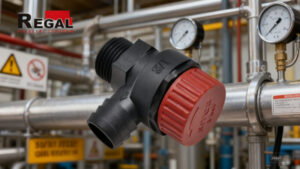
Perhaps the most critical safety device in any pressurized system is the safety relief valve (SRV). Designed to protect equipment and personnel from potentially catastrophic overpressure events, SRVs automatically open when the internal pressure of a vessel or pipeline exceeds a predetermined set point, releasing the excess fluid or gas. Once the pressure returns to a safe level, the valve automatically recloses.
These valves are mandatory in systems containing boilers, pressure vessels, heat exchangers, and pipelines where pressure buildup can occur due to thermal expansion, chemical reactions, or equipment malfunction. Compliance with industry standards (e.g., ASME, API) regarding the design, selection, installation, and maintenance of SRVs is non-negotiable. Investing in high-quality, properly sized, and regularly inspected safety relief valves is not just good practice—it’s a legal and ethical imperative that safeguards lives and assets.
The Synergy of Quality Parts: Optimizing System Performance
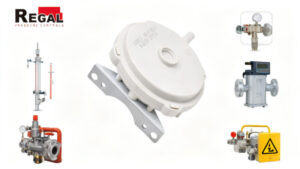
While each of these components plays a vital role independently, their true power is realized when they are integrated into a cohesive, well-designed system using high-quality parts. A reliable pressure switch ensures a pump doesn’t over-pressurize a tank, which might then be monitored by a water level sensor to prevent overflow, while a flow sensor verifies the correct process flow, all protected by a robust safety relief valve. The performance of the entire system is only as strong as its weakest link.
When selecting these critical parts, consider factors such as:
- Material Compatibility: Ensuring the component materials can withstand the process media and environmental conditions.
- Accuracy & Repeatability: Precision is key for consistent process control.
- Durability & Longevity: Reducing downtime and maintenance costs.
- Certifications & Standards: Adherence to industry-specific safety and performance requirements.
- Ease of Integration: Compatibility with existing control systems and infrastructure.
Conclusion
In the demanding landscape of modern industry, the robust performance and precise control offered by high-quality pressure switches, water level sensors, flow sensors, and safety relief valves are non-negotiable. They are the silent, steadfast components that ensure operational efficiency, protect valuable assets, and, most importantly, safeguard personnel. By prioritizing the selection and implementation of these critical devices, businesses can build resilient, compliant, and highly productive systems that stand the test of time, driving innovation and maintaining a competitive edge.