In the complex world of industrial operations, precision, safety, and efficiency are not just goals—they are non-negotiable requirements. The integrity of a system, from a simple pump station to a vast chemical plant, hinges on the reliability of its foundational components. Among these critical elements are pressure switches, water level sensors, flow sensors, and safety relief valves, each playing a pivotal role in ensuring seamless operation, safeguarding assets, and protecting personnel.
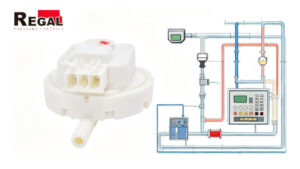
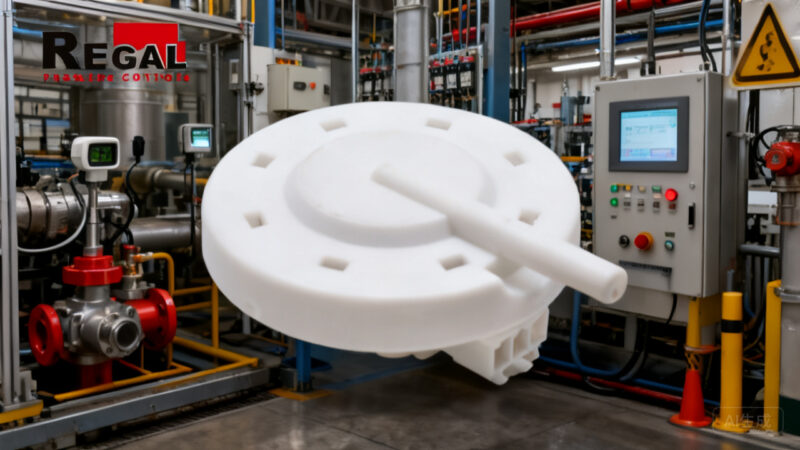
Pressure switches are fundamental devices designed to monitor and control pressure within a system. They act as critical decision-makers, activating or deactivating electrical circuits based on predefined pressure thresholds. Their applications are vast and varied:
- Air Pressure Switch: Essential in HVAC systems, pneumatic control, and compressor management, an air pressure switch ensures optimal operating pressures, preventing equipment damage and optimizing energy consumption.
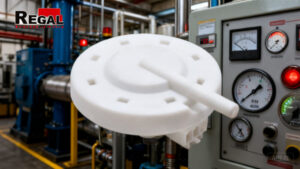
- Water Pressure Switch: Crucial for pump control in water supply systems, irrigation, and industrial cooling, these switches maintain desired water pressure, preventing dry running or over-pressurization, thereby extending pump lifespan and ensuring consistent flow.
By providing immediate feedback and control, pressure switches prevent costly downtime, enhance operational efficiency, and contribute significantly to the longevity of industrial machinery.
Water Level Management: Precision for Prevention
Managing liquid levels accurately is vital across numerous industries, from manufacturing and wastewater treatment to agriculture. This is where water level switches and water level sensors become indispensable.
- Water Level Switch: These devices provide discrete on/off signals when liquid reaches a specific high or low point. They are commonly used for automatic pump control (e.g., turning on a pump when a tank is low, or off when full), overflow prevention, and dry-run protection for pumps.
- Water Level Sensor: Offering continuous measurement, water level sensors provide real-time data on liquid levels. This allows for precise inventory management, sophisticated process control, and early detection of anomalies. They are critical for applications requiring constant monitoring and fine-tuned adjustments, ensuring optimal resource utilization and preventing costly spills or shortages.
Together, these components offer comprehensive solutions for reliable liquid level management, crucial for operational continuity and environmental compliance.
Flow Sensors: Ensuring the Pulse of Your System
The ability to accurately measure and monitor fluid movement is paramount in many industrial processes. Flow sensors are the eyes and ears of your piping systems, providing vital data on the rate and volume of liquids or gases flowing through them.
- Applications: From ensuring correct dosage in chemical mixing and monitoring cooling water circulation to detecting leaks in pipelines and optimizing fuel consumption, flow sensors are versatile.
- Benefits: They enable precise process control, improve resource allocation, help identify inefficiencies, and can prevent catastrophic failures by detecting abnormal flow rates early. By maintaining optimal flow, industries can achieve higher product quality, reduce waste, and enhance overall system performance.
Accurate flow measurement is a cornerstone of efficient and safe fluid handling, making flow sensors an essential tool for modern industrial facilities.
Safety Relief Valves: The Ultimate Guardians Against Catastrophe
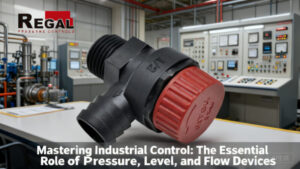
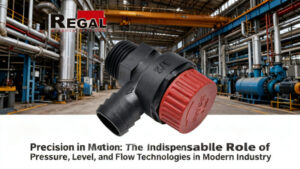
Perhaps no component better embodies the principle of “safety first” than the safety relief valve. These mechanical devices are designed to automatically release pressure from a vessel or system when it exceeds a preset limit, preventing potentially catastrophic overpressure events.
- Critical Function: In systems handling high-pressure fluids, gases, or steam, an unexpected pressure surge due to equipment malfunction, temperature excursions, or blockages can lead to explosions, equipment damage, and severe injury or loss of life.
- Regulatory Compliance: Safety relief valves are not just good practice; they are mandated by numerous industry regulations and standards (e.g., ASME Boiler and Pressure Vessel Code) to protect personnel and assets.
Investing in high-quality, properly sized, and regularly maintained safety relief valves is an absolute necessity, acting as the final line of defense against system failure and ensuring operational integrity under extreme conditions.
The Importance of Quality Parts and Integrated Systems
The effectiveness of any industrial control or safety system is directly proportional to the quality of its individual parts and how well they are integrated. Whether it’s selecting a robust pressure switch, a highly accurate water level sensor, a reliable flow sensor, or a certified safety relief valve, compromising on quality is never an option.
Furthermore, these components often work in concert. An integrated system where a pressure switch triggers a pump based on tank level data from a water level sensor, while a flow sensor monitors output and a safety relief valve stands ready to prevent overpressure, represents the pinnacle of industrial automation and safety. Regular maintenance, calibration, and adherence to manufacturer specifications for all parts are crucial for sustained performance and reliability.
Conclusion
Pressure switches, water level sensors, flow sensors, and safety relief valves are more than just components; they are the bedrock of industrial safety, efficiency, and control. By understanding their individual roles and the power of their collective integration, businesses can optimize their operations, protect their investments, and ensure a safer working environment. Investing in high-quality, reliable parts and expert system design is not merely an expense, but a strategic decision that underpins long-term success and resilience in the demanding industrial landscape.