In the intricate world of industrial operations, precision, reliability, and safety are paramount. Unseen yet indispensable, a suite of critical components works tirelessly behind the scenes to ensure smooth processes, prevent catastrophic failures, and optimize resource utilization. This comprehensive guide delves into the essential roles of pressure switches, water level switches and sensors, flow sensors, and safety relief valves – the unsung heroes maintaining operational integrity across diverse sectors.
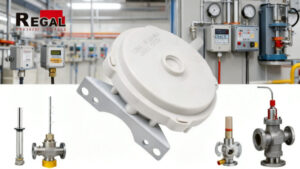
Pressure switches are fundamental control devices designed to monitor the pressure within a system and trigger an electrical contact when a pre-set pressure threshold is reached. Their simplicity belies their critical importance in safeguarding equipment and automating various processes.
Air Pressure Switches
Specifically engineered for pneumatic systems, air pressure switches are vital in applications ranging from HVAC systems and air compressors to industrial machinery. They ensure that air lines maintain optimal pressure for efficient operation, preventing damage from over-pressurization or under-pressurization. For instance, in a compressor system, an air pressure switch might activate the compressor when pressure drops below a minimum level and deactivate it when the maximum desired pressure is achieved, thus conserving energy and extending equipment life.
Water Pressure Switches
Similarly, water pressure switches are indispensable in hydraulic systems, pump control, and water management. They protect pumps from dry-running, maintain consistent water flow in irrigation systems, or ensure adequate pressure in fire suppression systems. By monitoring fluid pressure, these switches prevent system failures, reduce maintenance costs, and contribute to the longevity of pumps and associated plumbing infrastructure.
Monitoring the Invisible: Water Level Switches and Sensors
Managing fluid levels is crucial in countless industrial applications, from chemical processing to wastewater treatment. Water level switches and sensors provide the necessary intelligence to prevent overflows, dry-running conditions, and ensure precise material handling.
Water Level Switches
A water level switch typically provides a discrete ON/OFF signal when a specific liquid level is reached. Common types include float switches, which use a buoyant element to activate a microswitch, and conductive switches, which detect the presence of liquid between electrodes. These are ideal for simple alarm systems, pump control (e.g., activating a sump pump when water reaches a high level), or automated filling/draining operations.
Water Level Sensors
In contrast, water level sensors offer continuous measurement, providing an analog or digital output proportional to the liquid level. Ultrasonic sensors, hydrostatic sensors (pressure-based), and radar sensors are examples. These advanced sensors are essential for applications requiring precise level monitoring, inventory management in tanks, continuous process feedback, and sophisticated automation where real-time data is critical for optimization.
The Pulse of the System: Flow Sensors
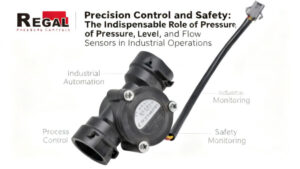
Understanding and controlling the flow rate of liquids and gases is vital for process efficiency, product quality, and safety. Flow sensors are instruments designed to measure the volumetric or mass flow rate of a fluid through a pipe or conduit.
From ensuring the correct additive ratios in chemical manufacturing to monitoring cooling water circulation in power plants, flow sensors provide critical data. Types include paddle wheel sensors for cost-effective flow indication, turbine flowmeters for high accuracy in clean liquids, electromagnetic flowmeters for conductive fluids with minimal pressure drop, and ultrasonic flowmeters for non-invasive measurement. Accurate flow measurement prevents material waste, optimizes reaction times, and helps detect leaks or blockages that could compromise system integrity.
The Last Line of Defense: Safety Relief Valves
While switches and sensors provide control and monitoring, safety relief valves are the ultimate guardians against catastrophic overpressure events. These mechanical devices are designed to automatically open and relieve excess pressure from a vessel or system, then re-close once the pressure returns to a safe level.
Safety relief valves are indispensable in systems handling high-pressure fluids or gases, such as boilers, pressure vessels, pipelines, and chemical reactors. They prevent equipment rupture, protect personnel from hazardous conditions, and ensure compliance with stringent industry safety standards. Regular inspection and maintenance of safety relief valves are not just good practice; they are a regulatory imperative to guarantee their flawless operation when an emergency arises.
The Backbone: Quality Parts and Proactive Maintenance
The effectiveness of any industrial control system hinges not only on the design but critically on the quality of its individual components and the diligence of its maintenance. Utilizing genuine, high-quality parts for pressure switches, level sensors, flow meters, and safety relief valves is non-negotiable. Substandard components can lead to inaccurate readings, premature failures, and compromised safety.
Furthermore, a robust preventative maintenance schedule is essential. Regular calibration of sensors, testing of switches, and inspection of relief valves ensure their continued accuracy and reliability. Proactive maintenance minimizes downtime, reduces the risk of unexpected failures, and ultimately extends the operational lifespan of expensive industrial equipment, safeguarding investments and upholding operational integrity.
Conclusion
Pressure switches, water level switches and sensors, flow sensors, and safety relief valves are more than just components; they are the intelligent core of modern industrial automation and safety systems. By providing precise control, accurate monitoring, and critical protection, these devices enable industries to operate with unparalleled efficiency, safety, and reliability. Investing in high-quality solutions and adhering to rigorous maintenance protocols ensures that these vital instruments continue to perform their crucial roles, driving productivity and safeguarding assets in an increasingly complex industrial landscape.