
In the intricate world of industrial operations, precision, reliability, and safety are not merely buzzwords; they are non-negotiable pillars of success. From manufacturing plants to water treatment facilities, the ability to accurately monitor and control critical parameters like pressure, liquid levels, and fluid flow is paramount. This control is achieved through a specialized suite of devices that act as the eyes and ears of automated systems: pressure switches, water level switches and sensors, flow sensors, and the indispensable safety relief valves. Understanding the function, application, and proper selection of these components is crucial for optimizing performance, preventing costly downtime, and ensuring the safety of personnel and assets.
Pressure Switches: The Silent Guardians of System Integrity
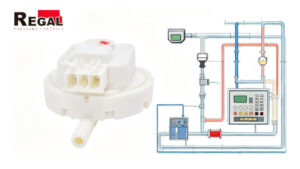
Pressure switches are electromechanical devices designed to monitor pressure within a system and trigger an electrical contact when a predetermined pressure threshold is reached. They are the frontline defenders against over-pressure or under-pressure conditions, activating alarms, shutting down equipment, or starting pumps as needed. Their simplicity belies their critical importance in countless applications across diverse industries.
Air Pressure Switches
Often found in HVAC systems, pneumatic control circuits, and combustion processes, air pressure switches ensure safe and efficient operation. In furnaces, for instance, they verify that the exhaust fan is working correctly before allowing the burner to ignite, preventing the buildup of dangerous gases. In industrial compressors, they maintain optimal pressure ranges, preventing motor overload and ensuring consistent air supply for tools and machinery. Their rapid response time is critical for preventing costly equipment damage and maintaining process continuity.
Water Pressure Switches
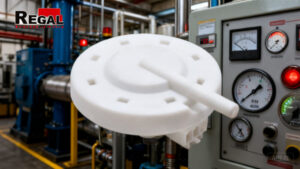
These devices are fundamental to water management systems. They control pumps in well systems, booster pumps in residential and commercial buildings, and irrigation systems. A water pressure switch ensures that a pump only operates when system pressure drops below a set point, conserving energy and preventing equipment wear. In water treatment plants, they monitor filter backwash cycles and maintain required operating pressures to ensure water quality and system efficiency.
Key considerations when selecting a pressure switch include the operating pressure range, the set point and reset point (hysteresis), media compatibility (e.g., air, water, oil, chemicals), electrical rating of the contacts, and the material of construction for the wetted parts to resist corrosion and ensure longevity.
Water Level Control: Precision in Fluid Management
Managing liquid levels in tanks, sumps, and reservoirs is vital for preventing overflows, protecting pumps from dry-running, and ensuring consistent process flow. This is achieved through two primary categories of devices: water level switches and water level sensors, each offering distinct advantages for various applications.
Water Level Switches
These are discrete devices that provide an ON/OFF signal when a specific liquid level is reached. They are ideal for simple control tasks like starting or stopping a pump, activating an alarm, or opening/closing a valve. Common types include float switches, which use a buoyant element to activate a microswitch, and conductivity probes, which detect the presence of liquid between two electrodes. They offer robust, cost-effective solutions for point-level detection.
Water Level Sensors
Unlike switches, water level sensors provide a continuous output signal (e.g., 4-20mA, 0-10V) proportional to the liquid level. This analog output allows for more sophisticated control and precise monitoring, often integrating with PLCs (Programmable Logic Controllers) or SCADA systems for real-time data acquisition and automated adjustments. Technologies include:
- Ultrasonic Sensors: Non-contact, ideal for corrosive liquids or applications where contact is undesirable. They measure the time it takes for an ultrasonic pulse to travel to the liquid surface and back.
- Hydrostatic Sensors: Submersible sensors that measure the pressure exerted by the liquid column above them, directly correlating to the level. Robust and reliable for deep tanks and challenging environments.
- Capacitive Sensors: Detect changes in capacitance caused by the presence or absence of a liquid, suitable for various liquid types and often used for both point-level and continuous level detection.
Proper selection depends on the liquid type, temperature, pressure, tank geometry, and required accuracy, ensuring optimal fluid management and process stability.
Flow Sensors: Ensuring Optimal Flow and Efficiency
Monitoring and controlling the flow of liquids and gases is fundamental to process efficiency, product quality, and system safety. Flow sensors measure the rate at which a fluid moves through a pipe or channel, providing critical data for various industrial applications. From ensuring adequate cooling water to preventing dry-running of pumps and precise chemical dosing, flow sensors play a pivotal role. They can detect blockages, leaks, or sudden changes in flow that could indicate a system malfunction. Common types include:
- Paddle Wheel Sensors: Cost-effective and widely used, they measure flow based on the rotation of a paddle wheel inserted into the flow path.
- Thermal Mass Flow Sensors: Ideal for gases, these sensors measure the heat required to maintain a constant temperature difference between two temperature sensors in the flow stream, correlating directly to mass flow.
- Electromagnetic Flowmeters: Used for conductive liquids, these non-intrusive sensors measure flow based on Faraday’s law of induction. They are highly accurate and have no moving parts, making them suitable for challenging media.
- Ultrasonic Flowmeters: Non-invasive, they measure flow by sending ultrasonic waves through the fluid and detecting changes in frequency or time of flight, suitable for a wide range of liquids and often used for large pipe diameters.
Accurate flow measurement is essential for optimizing energy consumption, managing resources, and maintaining consistent product quality in industries ranging from pharmaceuticals to water distribution and chemical processing.
Safety Relief Valves: The Ultimate Safeguard Against Catastrophe
While switches and sensors regulate normal operations, safety relief valves are the last line of defense against potentially catastrophic overpressure events. These mechanical devices are designed to automatically open and discharge excess pressure from a vessel or system when it exceeds a predetermined set point, thereby protecting equipment, pipelines, and, most importantly, personnel.
Often referred to broadly as “relief valves,” it’s important to distinguish between:
- Relief Valves: Typically used for incompressible fluids (liquids), they open proportionally to the increase in pressure over the set point, preventing gradual pressure buildup.
- Safety Valves: Primarily used for compressible fluids (gases, steam), they typically snap open fully once the set pressure is reached, rapidly relieving pressure to prevent explosive failures.
Safety relief valves are mandated by various industry codes and standards (e.g., ASME Boiler and Pressure Vessel Code) due to their critical role in preventing explosions, ruptures, and other failures that can result from thermal expansion, pump surges, chemical reactions, or external fires. Proper sizing, selection, installation, and regular testing of safety relief valves are non-negotiable aspects of any robust industrial safety program. They are calibrated to precise set pressures and often feature robust construction materials to withstand harsh operating environments, ensuring reliable operation when it matters most.
The Ecosystem of Control: Quality Parts and Seamless Integration
The reliability and performance of any industrial control system are only as strong as its weakest link. This underscores the paramount importance of not only selecting the right primary devices but also utilizing high-quality “parts” and ensuring seamless integration. This includes everything from the robust connectors and fittings that ensure leak-free connections to the precise wiring and mounting brackets that secure devices in their optimal positions. Investing in durable, compatible parts designed for industrial environments prevents premature failures, reduces maintenance costs, and extends the lifespan of the entire system.
Furthermore, the effectiveness of pressure switches, level sensors, flow meters, and safety valves is greatly enhanced through proper calibration and thoughtful integration into the broader control architecture, often involving PLCs, HMIs (Human-Machine Interfaces), and SCADA systems. A holistic approach, from component selection to system commissioning, is key to achieving true operational excellence and maximizing the return on investment in automation technology.
Conclusion: Driving Efficiency and Safety Through Smart Control
Pressure switches, water level switches and sensors, flow sensors, and safety relief valves are far more than just individual components; they are integral parts of a sophisticated ecosystem that underpins modern industrial efficiency, safety, and regulatory compliance. By accurately monitoring and controlling critical process variables, these devices enable automated systems to perform optimally, protect valuable assets, conserve resources, and safeguard personnel. For businesses operating in demanding industrial environments, understanding the nuances of these technologies and partnering with reliable suppliers who offer high-quality products and expert support is not just an advantage—it’s a necessity. Embracing advanced control solutions translates directly into enhanced productivity, reduced operational risks, and a stronger competitive edge in today’s rapidly evolving industrial landscape.